Mount Everest, standing at 8,848.86 meters (29,031.7 feet), is the highest peak on Earth, a true symbol of human endurance, natural wonder, and ambition. Located in the Mahalangur Himal range along the Nepal-Tibet border, Everest has fascinated explorers, mountaineers, and trekkers for decades. Its first successful ascent in 1953 by Sir Edmund Hillary and Tenzing Norgay remains a historic milestone, demonstrating the incredible human spirit against extreme environmental challenges. The mountain’s colossal presence, combined with unpredictable weather, glaciers, and rugged terrain, creates an awe-inspiring environment that draws adventurers from around the world.
The Everest region is not only about towering peaks but also offers rich cultural experiences. Home to the Sherpa people, this area provides trekkers with an authentic glimpse of Himalayan life, with Buddhist monasteries, prayer flags fluttering in the wind, and traditional villages that have remained unchanged for centuries. For many trekkers, just witnessing Everest from close proximity is a life-changing experience, a reminder of nature’s grandeur and human determination.
Highlights:
Everest Base Camp (EBC), at 5,364 meters (17,598 feet), is the iconic starting point for climbers attempting to summit Everest. Visiting EBC allows trekkers to immerse themselves in the Himalayas’ breathtaking scenery, walking through rhododendron forests, terraced fields, and traditional Sherpa villages. Along the way, trekkers encounter flowing rivers, suspension bridges, and diverse wildlife, making the journey as rewarding as the destination itself. Arriving at EBC is often considered a major personal achievement, as trekkers witness the towering walls of Everest, Lhotse, Nuptse, and other majestic peaks up close.
The base camp is more than just a destination; it’s a hub of trekking culture and history. Climbers prepare here for their ascent, sharing stories, experiences, and tips with fellow adventurers. For non-climbers, EBC offers a deep appreciation of the Himalayas’ enormity, the physical demands of high-altitude trekking, and the resilience of the Sherpa communities who have guided mountaineers for decades. This combination of natural beauty, cultural interaction, and personal accomplishment makes Everest Base Camp a highlight of the Everest Three Passes Trek.
Highlights:
Kala Patthar, at 5,545 meters (18,192 feet), is renowned for offering the most spectacular views of Mount Everest without requiring technical climbing. Trekkers often ascend Kala Patthar early in the morning to witness the sunrise illuminating Everest, Lhotse, Nuptse, and Pumori, creating a golden panorama that remains etched in memory forever. The hike to the summit is demanding due to the altitude, but the reward is an unparalleled perspective of the surrounding Himalayan peaks.
This vantage point is especially significant for photography enthusiasts and adventurers seeking the quintessential Everest experience. The rugged, rocky terrain challenges trekkers, reinforcing the importance of acclimatization and physical preparation. Reaching Kala Patthar is both a physical and emotional triumph, providing a sense of accomplishment that complements the natural beauty of the Everest region.
Highlights:
Gokyo Ri, at 5,357 meters (17,575 feet), is a prominent peak in the Everest region offering panoramic views of Everest, Cho Oyu, Makalu, and the surrounding Himalayan peaks. Unlike other viewpoints, Gokyo Ri provides a unique perspective of the Everest massif from the Gokyo Valley, known for its pristine lakes, glaciers, and remote landscapes. The climb is challenging but accessible to well-acclimatized trekkers, rewarding them with sweeping vistas and a profound sense of solitude amidst nature.
The Gokyo region is culturally significant as well, inhabited by Sherpa communities and dotted with monasteries and prayer flags. Exploring the area allows trekkers to witness local life, enjoy the serenity of high-altitude lakes, and appreciate the scale of glaciers such as Ngozumpa Glacier, one of the largest in Nepal. Gokyo Ri is an essential part of the Everest Three Passes Trek, combining physical challenge with extraordinary natural beauty.
Highlights:
The Gokyo Lakes are a stunning series of high-altitude glacial lakes located in the Gokyo Valley, including Gokyo, Thonak, and Ngozumpa Lakes. These lakes are famous for their vivid turquoise waters, framed by snow-capped peaks and glacial landscapes, creating a serene, otherworldly environment. Trekking around these lakes provides moments of tranquility and breathtaking photography opportunities.
Beyond their natural beauty, the Gokyo Lakes hold spiritual significance for local Buddhist communities. Pilgrims often visit the area, adding a cultural dimension to the trek. The lakes are also ideal for observing Himalayan wildlife, from migratory birds to yaks grazing in alpine meadows. Visiting the Gokyo Lakes during the Everest Three Passes Trek offers a peaceful contrast to the strenuous high-pass crossings, balancing adventure with reflection and appreciation of nature.
Highlights:
The Everest Three Passes Trek with Family Holidays Nepal is a once-in-a-lifetime adventure, designed for trekkers seeking high-altitude thrills combined with cultural immersion. This trek covers three major passes—Kongma La, Cho La, and Renjo La—offering sweeping views of Everest, Lhotse, Makalu, and countless other Himalayan giants. Along the route, trekkers explore Everest Base Camp, Kala Patthar, Gokyo Ri, and the Gokyo Lakes, gaining a comprehensive experience of the Everest region’s natural and cultural diversity.
With Family Holidays Nepal, trekkers receive professional guidance, expert logistics, and local knowledge that enhances safety and enjoyment. The trek balances challenging high-altitude trekking with well-timed acclimatization days, cultural interactions in Sherpa villages, and opportunities for photography, nature observation, and personal achievement. Completing the Everest Three Passes Trek is a monumental accomplishment, leaving participants with memories of Himalayan grandeur, spiritual reflection, and extraordinary adventure.
Highlights:
Kongma La Pass: At 5,535 meters (18,159 feet), Kongma La offers stunning views of the surrounding peaks and glaciers, marking the highest point of the trek.
Cho La Pass: Situated at 5,420 meters (17,782 feet), Cho La is known for its challenging ascent and spectacular views of the Khumbu and Rolwaling Himalayas.
Renjo La Pass: Located at 5,360 meters (17,585 feet), Renjo La provides panoramic views of Everest, Lhotse, and the Gokyo Lakes.
Everest Base Camp: The iconic base camp offers a close-up view of Everest and a sense of accomplishment for trekkers.
Kala Patthar: The summit provides one of the best viewpoints for Everest and the surrounding peaks.
Gokyo Ri: Offers stunning vistas of Everest and the surrounding Himalayan peaks.
Gokyo Lakes: A series of beautiful turquoise lakes surrounded by glaciers and peaks.
Best Time for Everest Three Passes Trek
The best times to undertake the Everest Three Passes Trek are during the pre-monsoon (spring) season from late March to early June and the post-monsoon (autumn) season from late September to early November. During these periods, the weather conditions are generally favorable, with clear skies, stable temperatures, and minimal rainfall. Spring offers blooming rhododendrons and mild temperatures, while autumn provides crisp air and clear visibility. Both seasons are ideal for high-altitude trekking in the Everest region.
Level of Difficulty – Everest Three Passes Trek
The Everest Three Passes Trek is considered a challenging high-altitude trek due to its strenuous physical demands and elevation gains. The trek involves crossing three high passes—Kongma La, Cho La, and Renjo La—all of which exceed 5,000 meters (16,404 feet). These passes require significant endurance, stamina, and acclimatization. The trek also involves long daily hikes, rugged terrain, and variable weather conditions. Proper preparation, physical fitness, and acclimatization are essential for successfully completing this trek.
Accommodation and Food
Throughout the trek, Family Holidays Nepal ensures comfortable accommodations in well-maintained teahouses and lodges. These lodges provide basic amenities such as beds with clean linens, shared bathrooms, and dining areas. The food offered includes a variety of Nepali and international dishes, such as dal bhat (a traditional Nepali meal), noodles, soups, and vegetables. Family Holidays Nepal prioritizes hygiene and dietary preferences, ensuring that trekkers receive nutritious and well-prepared meals throughout their journey.
Communication and Network
Communication options during the Everest Three Passes Trek can be limited. Many teahouses offer Wi-Fi services for a fee, though connectivity may be intermittent. For essential communication and emergencies, Family Holidays Nepal provides satellite phones with their guides to ensure that trekkers can stay in touch with the base team and access support if needed. The guides are experienced in managing communication and keeping trekkers informed about weather conditions and trek progress.
Why Choose Family Holidays Nepal
Choosing Family Holidays Nepal for your Everest Three Passes Trek guarantees a high level of service, expertise, and personalized care. Their team of experienced guides and support staff is dedicated to providing a safe, enjoyable, and culturally enriching experience. Family Holidays Nepal's commitment to responsible tourism ensures that your trek benefits local communities and minimizes environmental impact. With meticulous planning, expert guidance, and a focus on creating memorable experiences, Family Holidays Nepal is your ideal partner for this challenging and rewarding Himalayan adventure.
The Everest Three Passes Trek with Family Holidays Nepal offers a once-in-a-lifetime opportunity to experience the majestic beauty of the Everest region, combining high-altitude adventure, stunning landscapes, and cultural immersion into an unforgettable trek.
Welcome to Kathmandu, the bustling capital of Nepal. Upon your arrival at Tribhuvan International Airport, a representative from Family Holidays Nepal will meet you and transfer you to your hotel in Thamel, a vibrant district known for its shops, restaurants, and lively atmosphere. After checking into your hotel, take some time to rest and recover from your journey. In the evening, you may choose to explore Thamel, enjoy a meal at a local restaurant, or simply relax at the hotel. This is a great opportunity to get acclimated to the local environment before your trek begins.
After breakfast, Sightseeing tour of Kathmandu. You will visit some of the city's most iconic landmarks, including Swayambhunath Stupa (Monkey Temple) and Kathmandu Durbar Square. These sites offer insights into the rich cultural and historical heritage of Nepal. In the afternoon, you’ll travel by road to Manthali, a town located in the Ramechhap district, which serves as a gateway to the Everest region. The drive takes about 4 to 5 hours. You’ll spend the night in Manthali to position yourself for an early flight to Lukla the next morning.
Early in the morning, you will take a flight from Manthali to Lukla, a thrilling journey that offers stunning views of the Himalayas. Upon arrival in Lukla, you’ll meet your trekking crew and begin your trek to Phakding. The trek takes approximately 3 to 4 hours and descends through picturesque forests and across suspension bridges. Phakding is a charming village along the Dudh Koshi River, and you'll stay here overnight in a local lodge. Enjoy a warm meal and prepare for the days of trekking ahead.
After breakfast, start your trek from Phakding to Namche Bazaar, the main trading hub of the Khumbu region. This trek takes about 5 to 6 hours and involves crossing several suspension bridges, including the famous Hillary Suspension Bridge. The trail ascends through dense forest and passes through several small villages. As you approach Namche Bazaar, you'll be rewarded with stunning views of the surrounding peaks. Namche Bazaar is a bustling village with shops, cafes, and a vibrant atmosphere. Settle into your lodge and rest for the night.
Today is dedicated to acclimatization, which is crucial for adjusting to the higher altitude. Spend the day exploring Namche Bazaar and its surroundings. You might visit the local market, the Sherpa Museum, or take a short hike to the Everest View Hotel for panoramic views of Everest and other surrounding peaks. This rest day helps your body acclimate to the altitude, reducing the risk of altitude sickness. Enjoy a leisurely day, and return to your lodge in the evening to relax.
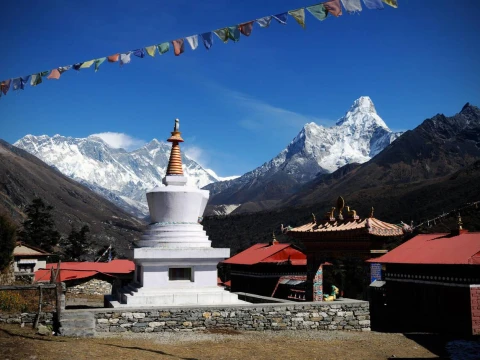
After breakfast, trek from Namche Bazaar to Tengboche. This section of the trek takes about 5 to 6 hours and involves a mix of ascents and descents. The trail offers magnificent views of the surrounding mountains, including Everest, Lhotse, and Ama Dablam. Tengboche is renowned for its beautiful monastery, which is a significant spiritual center for the local Sherpa community. Visit the monastery if time permits, and soak in the peaceful atmosphere. Enjoy dinner and an overnight stay in a lodge at Tengboche.
Begin your trek from Tengboche to Dingboche, which takes about 5 to 6 hours. The trail descends to the Imja Khola and then ascends through picturesque alpine meadows and small villages. Dingboche is a beautiful village located in a valley surrounded by impressive peaks, including Ama Dablam and the Lhotse-Nuptse ridge. The altitude here is higher, so take it easy and stay hydrated. After settling into your lodge, enjoy the views and prepare for the next day’s acclimatization activities.
Today is another acclimatization day. Take a short hike to higher elevations to aid your acclimatization process. A popular option is to hike to Nagarjun Hill or the nearby ridge for panoramic views of the Himalayas. This hike will help your body adjust to the altitude and prepare you for the higher passes ahead. Return to Dingboche in the afternoon, relax, and enjoy the views of the surrounding peaks. This rest day is crucial for acclimatizing properly before tackling the higher passes.
Today’s trek takes you from Dingboche to Chhukung, a journey of approximately 3 to 4 hours. Chhukung is a small village that serves as a base for climbing Chhukung Ri. After reaching Chhukung, prepare for a climb to Chhukung Ri, which offers spectacular views of the surrounding peaks, including Island Peak and the towering Ama Dablam. The climb to Chhukung Ri takes about 2 to 3 hours and involves a steep ascent. After enjoying the panoramic views, return to Chhukung for the night.
Prepare for a challenging day as you cross the Kongma La Pass, which stands at an altitude of 5,535 meters. The trek from Chhukung to Lobuche takes about 6 to 7 hours, including the crossing of the Kongma La Pass. The trail ascends steeply to the pass and then descends to the Lobuche Valley. The pass offers breathtaking views of the surrounding peaks and glaciers. After crossing the pass, descend to Lobuche, where you will stay overnight in a lodge.
Today’s trek takes you from Lobuche to Gorak Shep and then to Everest Base Camp. The trek to Gorak Shep takes about 3 hours, and from there, you’ll continue on to Everest Base Camp, which takes an additional 3 to 4 hours. The trail involves traversing rocky terrain and moraines. Upon reaching Everest Base Camp, take time to enjoy the views of the Khumbu Icefall and surrounding peaks. Return to Gorak Shep for the night, where you’ll have dinner and rest after a long day of trekking.
Rise early for a hike to Kala Patthar, renowned for its stunning sunrise views of Everest and the surrounding peaks. The hike to Kala Patthar takes about 2 hours. After soaking in the panoramic views, return to Gorak Shep for breakfast. From there, trek back to Lobuche, which takes approximately 5 to 6 hours. The descent offers beautiful views of the Khumbu region and provides a chance to reflect on the breathtaking experiences of the past days.
Today, you’ll trek from Lobuche to Dzongla, a journey of about 3 to 4 hours. The trail involves a steady ascent and offers stunning views of the surrounding mountains, including Cholatse and Lobuche East. Dzongla is a small village located in a picturesque setting, offering a peaceful environment and excellent views. After arriving in Dzongla, check into your lodge and enjoy a warm meal. This shorter trek allows for a more relaxed pace and helps with acclimatization before crossing the next pass.
Today’s trek takes you from Dzongla to Gokyo, crossing the Cho La Pass en route. The trek involves a challenging ascent to the pass, which stands at 5,420 meters, and then descends to Gokyo. The trek takes about 7 to 8 hours and involves traversing rugged terrain and snow-covered paths. The views from the Cho La Pass are spectacular, offering panoramic vistas of the surrounding peaks. After crossing the pass, descend to Gokyo, a beautiful village situated beside Gokyo Lake. Check into your lodge and rest.
Enjoy a rest day in Gokyo to acclimatize and explore the area. Climb Gokyo Ri, which takes about 2 hours and offers breathtaking views of Everest, Makalu, and Cho Oyu. After descending from Gokyo Ri, you’ll have the option to visit the 4th and 5th Gokyo Lakes, which are located further along the valley. This day allows you to fully appreciate the beauty of the Gokyo region and to rest before continuing with the trek. Return to your lodge in the evening to relax and prepare for the next day's journey.
Today’s trek involves crossing the Renjo La Pass, which stands at 5,360 meters. The trek from Gokyo to Lumde takes about 6 to 7 hours, including the pass crossing. The Renjo La Pass offers incredible views of the Everest region and the surrounding peaks. After crossing the pass, descend to Lumde, a small village situated in a beautiful valley. Lumde provides a tranquil environment and is a good spot to rest after a challenging day of trekking. Check into your lodge and enjoy a meal.
Begin your trek from Lumde to Namche Bazaar, which takes approximately 6 to 7 hours. The trail descends through dense forests and follows the Bhote Koshi River. As you approach Namche Bazaar, you’ll notice the landscape changing from alpine to temperate. Once you arrive in Namche Bazaar, check into your lodge and enjoy a well-deserved rest. This is your final stop before heading back to Lukla.
Today, trek from Namche Bazaar to Lukla, which takes about 6 to 7 hours. The trail descends through beautiful landscapes and crosses several suspension bridges. As you approach Lukla, you’ll traverse the lush forests and terraced fields that characterize the lower Khumbu region. Once you arrive in Lukla, check into your lodge and celebrate the successful completion of your trek. Enjoy your last evening in the Everest region with a warm meal and reflection on your incredible journey.
Take an early morning flight from Lukla back to Kathmandu. The flight offers one last opportunity to enjoy the stunning views of the Himalayas. Upon arrival in Kathmandu, you’ll be transferred to your hotel. Spend the rest of the day at leisure—explore the city, shop for souvenirs, or relax at your hotel. In the evening, join a farewell dinner hosted by Family Holidays Nepal to celebrate the completion of your trek and share your experiences with fellow trekkers.
On your final day in Kathmandu, you’ll have time to prepare for your departure. Depending on your flight schedule, you may have some additional time to explore Kathmandu or do last-minute shopping. A representative from Family Holidays Nepal will assist you with your transfer to Tribhuvan International Airport for your onward journey. We hope you’ve had a memorable adventure and look forward to welcoming you back to Nepal in the future.
Your Start Date is the day you land in Nepal, and your End Date is when you fly home.
If the set Everest Three Passes Trek group dates don’t suit your schedule, we can offer alternative dates upon request.
Proper layering is important to stay warm and comfortable in changing mountain weather.
Good footwear makes trekking easier and safer.
The right gear keeps you safe, comfortable, and prepared.
Lightweight but important items keep you clean, healthy, and comfortable.
Keep important items safe and easy to reach.
The Everest Three Passes Trek is an exhilarating adventure that tests your limits while offering awe-inspiring views of the Himalayas. Conquering three high-altitude passes is tough, but the breathtaking scenery and sense of achievement make it an unforgettable experience for seasoned trekkers.
The Everest Three Passes Trek is an adventurous and challenging high-altitude trekking route in the Everest region of Nepal, organized professionally by Family Holidays Nepal. It includes crossing three major passes: Kongma La (5,535 m), Cho La (5,420 m), and Renjo La (5,388 m), which offer stunning panoramic views of the Himalayan giants including Everest, Lhotse, and Makalu. The trek also passes through iconic destinations such as Everest Base Camp, Kala Patthar, Gokyo Ri, and the Gokyo Lakes, providing trekkers with a comprehensive experience of the region’s natural beauty, glaciers, alpine lakes, and traditional Sherpa villages. It is ideal for trekkers seeking an extensive and immersive Everest adventure.
The Everest Three Passes Trek is physically demanding, requiring trekkers to have strong endurance, stamina, and good overall fitness. Daily hikes range from 4 to 9 hours on rugged terrain with significant elevation gains, especially while crossing the three high passes. Trekkers should have prior trekking experience or be accustomed to long-distance hiking at high altitudes. Cardiovascular training, strength conditioning, and practice with long hikes are recommended before the trek. Proper acclimatization is critical to reduce the risk of altitude sickness and ensure a safe and enjoyable journey through the challenging Everest region.
The complete Everest Three Passes Trek generally takes 18 to 21 days, including acclimatization days, travel to and from Kathmandu, and contingency time for weather delays. The trek involves approximately 12–15 days of actual trekking, with several days dedicated to crossing the high passes, visiting Everest Base Camp, climbing Kala Patthar, and exploring Gokyo Ri and the Gokyo Lakes. The extended itinerary allows trekkers to adjust to high altitude gradually, reducing the risk of altitude sickness while enjoying the stunning landscapes and cultural experiences along the route.
The Everest Three Passes Trek is not recommended for complete beginners, as it involves challenging high-altitude trekking, multiple passes over 5,300 meters, and long daily hikes. Trekkers should have prior experience with multi-day treks and some familiarity with high-altitude environments. However, with proper training, fitness preparation, and guidance from Family Holidays Nepal, moderately experienced trekkers can complete the trek safely. Beginners with strong motivation, good health, and willingness to follow acclimatization protocols may still enjoy this once-in-a-lifetime adventure with professional support.
The ideal periods to undertake the Everest Three Passes Trek are during the pre-monsoon (spring) and post-monsoon (autumn) seasons, typically between March to May and late September to November. These months offer stable weather, clear skies, and spectacular mountain views, making trekking safer and more enjoyable. Spring brings blooming rhododendrons and lush greenery, while autumn offers crisp, clear air and vibrant sunsets. Winter can be extremely cold with heavy snow on high passes, and monsoon (June to August) trails can be slippery and prone to landslides, which may affect safety and trail conditions.
To undertake the Everest Three Passes Trek with Family Holidays Nepal, trekkers require several permits. First, the TIMS (Trekkers’ Information Management System) Card ensures safety and regulation of trekkers in the region. Second, the Sagarmatha National Park Entry Permit is mandatory for entering the park, which covers the Everest area. Finally, the Khumbu Pasang Lhamu Rural Municipality Permit is needed for areas beyond Monjo, including Namche Bazaar and higher villages. These permits are typically arranged by the trekking company and are essential for legal entry, safety, and environmental conservation.
Accommodation along the Everest Three Passes Trek is primarily in teahouses and lodges, managed by local Sherpa families. These lodges provide basic but comfortable facilities, including shared rooms, simple bedding, and communal dining areas. At higher altitudes, amenities become more limited, with fewer electricity options, simpler bathrooms, and basic heating facilities. Despite modest conditions, the lodges are welcoming, offering hot meals and warm hospitality, and provide trekkers with a safe and cozy place to rest after long trekking days, contributing to the authentic Himalayan experience.
Trekkers can enjoy a variety of local and international cuisine along the Everest Three Passes Trek. Traditional Nepalese meals such as dal bhat (lentil soup with rice), momo (dumplings), noodle soups, and vegetable curries are commonly available. Many lodges also offer basic continental options like pasta, eggs, and sandwiches. The food is hearty and designed to provide energy for long trekking days. Hot drinks like tea, coffee, and instant soups help with warmth at high altitudes, while bottled water and filtration systems are recommended to maintain hydration and health.
Packing for the Everest Three Passes Trek requires careful planning due to high-altitude conditions. Essential clothing includes moisture-wicking base layers, fleece or down mid-layers, thermal socks, waterproof jackets, and trekking boots. Gear essentials are a sleeping bag suitable for cold temperatures, trekking poles, headlamp, sunglasses, and a personal first aid kit. Accessories such as sunscreen, lip balm, water bottles, and trekking documents including passport and permits are necessary. Proper packing ensures safety, comfort, and protection against extreme weather while traversing glaciers, alpine meadows, and high passes.
The Everest Three Passes Trek is generally safe when proper precautions are taken. Acclimatization is critical to prevent altitude sickness, and trekkers should monitor their physical condition carefully. Weather conditions can change rapidly, so being prepared with appropriate clothing and gear is essential. Trekking with a reputable company like Family Holidays Nepal ensures professional guides, trained support staff, and emergency backup. These measures significantly enhance safety and provide peace of mind, especially when navigating high passes, glacial terrain, and remote mountain villages.

| No of people | Price per person |
|---|---|
| 1 - 1 | $1,305 |
| 2 - 4 | $1,120 |
| 6 - 8 | $1,100 |
| 10 - 12 | $1,080 |



 (2)
(2)  100% recommend (0)
 (0)
(0)