
Mount EverestMount Everest, standing at 8,848.86 meters (29,031.7 feet), is the tallest mountain in the world and a symbol of unparalleled natural grandeur and human endurance. Located in the Mahalangur Himal sub-range of the Himalayas, Everest straddles the border between Nepal and the Tibet Autonomous Region of China. First summited by Sir Edmund Hillary and Tenzing Norgay in 1953, Everest has since become a mecca for mountaineers and trekkers from around the globe, attracting those seeking to challenge their limits and witness the sublime beauty of the world's highest peak.Family Holidays Nepal: Your Trusted Trekking PartnerFamily Holidays Nepal is a leading trekking and travel company dedicated to providing unforgettable Himalayan adventures. With a strong commitment to quality, safety, and personalized service, Family Holidays Nepal offers expertly guided treks that cater to a diverse range of travelers. Their knowledgeable team ensures that every aspect of your journey is handled with care, from meticulous planning to on-the-ground support. Whether you are a seasoned trekker or a first-time adventurer, Family Holidays Nepal’s expert guides and support staff are dedicated to delivering a seamless and enriching experience.Everest Base Camp Overview The Everest Base Camp trek is one of the most iconic and sought-after treks in the world. This journey takes you through the heart of the Khumbu region, offering breathtaking views of Mount Everest and the surrounding peaks. The trek typically spans 12 to 16 days, depending on your itinerary, and covers a distance of approximately 130 kilometers (80 miles) round trip. The route leads you through vibrant Sherpa villages, lush forests, and alpine meadows, culminating in a visit to the base camp itself, located at an altitude of 5,364 meters (17,598 feet).The Everest Base Camp Trek is a legendary journey to the foot of the world’s highest mountain, Mount Everest. This 15-day adventure offers trekkers a unique opportunity to experience the rich culture of the Sherpa people, traverse lush forests and breathtaking landscapes, and walk in the footsteps of famous mountaineers. Starting from the bustling city of Kathmandu, the trek takes you through traditional Sherpa villages, past ancient monasteries, and into the heart of the Himalayas. Along the way, you’ll be rewarded with panoramic views of towering peaks, including Everest, Lhotse, Nuptse, and Ama Dablam. The journey culminates at Everest Base Camp, where you’ll stand at the base of the highest point on Earth, surrounded by some of the most awe-inspiring scenery on the planet.Best Time for Everest Base Camp TrekThe optimal times to undertake the Everest Base Camp trek are during the pre-monsoon (spring) season, from late March to early June, and the post-monsoon (autumn) season, from late September to early November. During these periods, the weather conditions are generally stable with clear skies and moderate temperatures, offering the best visibility and trekking conditions. Spring is particularly popular for its blooming rhododendrons and mild temperatures, while autumn provides crisp, clear air and less crowded trails.Level of Difficulty – Everest Base Camp TrekThe Everest Base Camp trek is considered a moderate to challenging trek due to its high altitude and variable weather conditions. While the trek does not require technical climbing skills, it demands good physical fitness, stamina, and mental resilience. The trek involves long days of walking, with daily distances ranging from 5 to 10 kilometers (3 to 6 miles), and altitude gains that can cause physical strain. Proper acclimatization, which is built into the itinerary with acclimation days in key locations like Namche Bazaar and Dingboche, is crucial for a successful trek.Accommodation and FoodDuring the trek, Family Holidays Nepal ensures that you stay in comfortable, well-maintained lodges known as teahouses. These lodges offer a warm, welcoming environment with basic amenities such as beds with clean linens, shared bathrooms, and dining areas. The food served at these lodges typically includes a variety of local and international dishes, including dal bhat (a traditional Nepali meal), pasta, noodles, and fresh vegetables. Family Holidays Nepal places a strong emphasis on hygiene and dietary preferences, ensuring that your nutritional needs are met throughout the trek.Communication and NetworkWhile trekking to Everest Base Camp, connectivity can be limited, but Family Holidays Nepal provides options to stay in touch with the outside world. Many teahouses along the route offer Wi-Fi services for a small fee, though signal strength can vary. For emergencies or critical communication, the guides carry satellite phones to ensure that you remain connected with your support team and can reach out for assistance if needed. Family Holidays Nepal’s guides also keep in touch with their base camp to monitor weather conditions and trek progress.Why Choose Family Holidays NepalChoosing Family Holidays Nepal for your Everest Base Camp trek means opting for an exceptional level of service, expertise, and care. Their team of experienced guides and support staff are dedicated to ensuring a safe, enjoyable, and culturally immersive experience. They offer personalized itineraries tailored to your needs and preferences, and their commitment to responsible tourism ensures that your trek supports local communities and preserves the natural environment. With Family Holidays Nepal, you benefit from a seamless experience that combines adventure, comfort, and cultural exploration.Best ExperienceWith Family Holidays Nepal, your Everest Base Camp trek is designed to be a once-in-a-lifetime experience. From the moment you arrive in Kathmandu to your final steps at the base camp, you will be guided by a team that is passionate about delivering the highest standard of service. The combination of expert guidance, thoughtful itineraries, and personal attention ensures that every aspect of your trek is handled with care. The camaraderie of fellow trekkers, the stunning Himalayan vistas, and the personal sense of achievement upon reaching base camp will create lasting memories that you will cherish forever.Major Attraction PlacesThroughout the Everest Base Camp trek, you will encounter several major attractions:Namche Bazaar: The bustling heart of the Khumbu region, offering vibrant markets and stunning views.Tengboche Monastery: A significant Buddhist monastery renowned for its serene atmosphere and panoramic views of Everest and other peaks.Kala Patthar: A renowned vantage point for breathtaking sunrise views over Everest and the surrounding peaks.Gorak Shep: The final stop before Everest Base Camp, providing spectacular views and the opportunity to visit the historic Everest Base Camp.Family Holidays Nepal ensures that you experience these highlights and more, providing a trek that is rich in adventure, culture, and natural beauty.

Mount Everest, standing at 8,848.86 meters (29,031.7 feet), is the highest peak on Earth, a true symbol of human endurance, natural wonder, and ambition. Located in the Mahalangur Himal range along the Nepal-Tibet border, Everest has fascinated explorers, mountaineers, and trekkers for decades. Its first successful ascent in 1953 by Sir Edmund Hillary and Tenzing Norgay remains a historic milestone, demonstrating the incredible human spirit against extreme environmental challenges. The mountain’s colossal presence, combined with unpredictable weather, glaciers, and rugged terrain, creates an awe-inspiring environment that draws adventurers from around the world.The Everest region is not only about towering peaks but also offers rich cultural experiences. Home to the Sherpa people, this area provides trekkers with an authentic glimpse of Himalayan life, with Buddhist monasteries, prayer flags fluttering in the wind, and traditional villages that have remained unchanged for centuries. For many trekkers, just witnessing Everest from close proximity is a life-changing experience, a reminder of nature’s grandeur and human determination.Highlights:Highest peak in the world (8,848.86 m / 29,031.7 ft)Located in Mahalangur Himal, Nepal-Tibet borderRich Sherpa culture and Buddhist heritageChallenging high-altitude environment with glaciers and rugged terrainEverest Base Camp OverviewEverest Base Camp (EBC), at 5,364 meters (17,598 feet), is the iconic starting point for climbers attempting to summit Everest. Visiting EBC allows trekkers to immerse themselves in the Himalayas’ breathtaking scenery, walking through rhododendron forests, terraced fields, and traditional Sherpa villages. Along the way, trekkers encounter flowing rivers, suspension bridges, and diverse wildlife, making the journey as rewarding as the destination itself. Arriving at EBC is often considered a major personal achievement, as trekkers witness the towering walls of Everest, Lhotse, Nuptse, and other majestic peaks up close.The base camp is more than just a destination; it’s a hub of trekking culture and history. Climbers prepare here for their ascent, sharing stories, experiences, and tips with fellow adventurers. For non-climbers, EBC offers a deep appreciation of the Himalayas’ enormity, the physical demands of high-altitude trekking, and the resilience of the Sherpa communities who have guided mountaineers for decades. This combination of natural beauty, cultural interaction, and personal accomplishment makes Everest Base Camp a highlight of the Everest Three Passes Trek.Highlights:Altitude: 5,364 m / 17,598 ftGateway for Everest climbersStunning views of Everest, Lhotse, and NuptseRich Sherpa culture and trekking historyKala Patthar OverviewKala Patthar, at 5,545 meters (18,192 feet), is renowned for offering the most spectacular views of Mount Everest without requiring technical climbing. Trekkers often ascend Kala Patthar early in the morning to witness the sunrise illuminating Everest, Lhotse, Nuptse, and Pumori, creating a golden panorama that remains etched in memory forever. The hike to the summit is demanding due to the altitude, but the reward is an unparalleled perspective of the surrounding Himalayan peaks.This vantage point is especially significant for photography enthusiasts and adventurers seeking the quintessential Everest experience. The rugged, rocky terrain challenges trekkers, reinforcing the importance of acclimatization and physical preparation. Reaching Kala Patthar is both a physical and emotional triumph, providing a sense of accomplishment that complements the natural beauty of the Everest region.Highlights:Altitude: 5,545 m / 18,192 ftBest panoramic views of Mount Everest and surrounding peaksEarly morning ascent for sunrise photographyRugged terrain with rewarding summit experienceGokyo Ri OverviewGokyo Ri, at 5,357 meters (17,575 feet), is a prominent peak in the Everest region offering panoramic views of Everest, Cho Oyu, Makalu, and the surrounding Himalayan peaks. Unlike other viewpoints, Gokyo Ri provides a unique perspective of the Everest massif from the Gokyo Valley, known for its pristine lakes, glaciers, and remote landscapes. The climb is challenging but accessible to well-acclimatized trekkers, rewarding them with sweeping vistas and a profound sense of solitude amidst nature.The Gokyo region is culturally significant as well, inhabited by Sherpa communities and dotted with monasteries and prayer flags. Exploring the area allows trekkers to witness local life, enjoy the serenity of high-altitude lakes, and appreciate the scale of glaciers such as Ngozumpa Glacier, one of the largest in Nepal. Gokyo Ri is an essential part of the Everest Three Passes Trek, combining physical challenge with extraordinary natural beauty.Highlights:Altitude: 5,357 m / 17,575 ftPanoramic views of Everest, Cho Oyu, and MakaluGateway to the beautiful Gokyo Lakes and Ngozumpa GlacierOffers cultural interaction with local Sherpa communitiesGokyo Lakes OverviewThe Gokyo Lakes are a stunning series of high-altitude glacial lakes located in the Gokyo Valley, including Gokyo, Thonak, and Ngozumpa Lakes. These lakes are famous for their vivid turquoise waters, framed by snow-capped peaks and glacial landscapes, creating a serene, otherworldly environment. Trekking around these lakes provides moments of tranquility and breathtaking photography opportunities.Beyond their natural beauty, the Gokyo Lakes hold spiritual significance for local Buddhist communities. Pilgrims often visit the area, adding a cultural dimension to the trek. The lakes are also ideal for observing Himalayan wildlife, from migratory birds to yaks grazing in alpine meadows. Visiting the Gokyo Lakes during the Everest Three Passes Trek offers a peaceful contrast to the strenuous high-pass crossings, balancing adventure with reflection and appreciation of nature.Highlights:High-altitude glacial lakes: Gokyo, Thonak, NgozumpaPristine turquoise waters with snow-capped backdropsSpiritual and cultural significanceOpportunity for wildlife and photographyBest Experience with Family Holidays NepalThe Everest Three Passes Trek with Family Holidays Nepal is a once-in-a-lifetime adventure, designed for trekkers seeking high-altitude thrills combined with cultural immersion. This trek covers three major passes—Kongma La, Cho La, and Renjo La—offering sweeping views of Everest, Lhotse, Makalu, and countless other Himalayan giants. Along the route, trekkers explore Everest Base Camp, Kala Patthar, Gokyo Ri, and the Gokyo Lakes, gaining a comprehensive experience of the Everest region’s natural and cultural diversity.With Family Holidays Nepal, trekkers receive professional guidance, expert logistics, and local knowledge that enhances safety and enjoyment. The trek balances challenging high-altitude trekking with well-timed acclimatization days, cultural interactions in Sherpa villages, and opportunities for photography, nature observation, and personal achievement. Completing the Everest Three Passes Trek is a monumental accomplishment, leaving participants with memories of Himalayan grandeur, spiritual reflection, and extraordinary adventure.Highlights:Trek three major passes: Kongma La, Cho La, Renjo LaVisit Everest Base Camp, Kala Patthar, Gokyo Ri, and Gokyo LakesExpert guidance and support from Family Holidays NepalCombination of adventure, culture, and personal achievementMajor Attraction PlacesKongma La Pass: At 5,535 meters (18,159 feet), Kongma La offers stunning views of the surrounding peaks and glaciers, marking the highest point of the trek.Cho La Pass: Situated at 5,420 meters (17,782 feet), Cho La is known for its challenging ascent and spectacular views of the Khumbu and Rolwaling Himalayas.Renjo La Pass: Located at 5,360 meters (17,585 feet), Renjo La provides panoramic views of Everest, Lhotse, and the Gokyo Lakes.Everest Base Camp: The iconic base camp offers a close-up view of Everest and a sense of accomplishment for trekkers.Kala Patthar: The summit provides one of the best viewpoints for Everest and the surrounding peaks.Gokyo Ri: Offers stunning vistas of Everest and the surrounding Himalayan peaks.Gokyo Lakes: A series of beautiful turquoise lakes surrounded by glaciers and peaks.Best Time for Everest Three Passes TrekThe best times to undertake the Everest Three Passes Trek are during the pre-monsoon (spring) season from late March to early June and the post-monsoon (autumn) season from late September to early November. During these periods, the weather conditions are generally favorable, with clear skies, stable temperatures, and minimal rainfall. Spring offers blooming rhododendrons and mild temperatures, while autumn provides crisp air and clear visibility. Both seasons are ideal for high-altitude trekking in the Everest region.Level of Difficulty – Everest Three Passes TrekThe Everest Three Passes Trek is considered a challenging high-altitude trek due to its strenuous physical demands and elevation gains. The trek involves crossing three high passes—Kongma La, Cho La, and Renjo La—all of which exceed 5,000 meters (16,404 feet). These passes require significant endurance, stamina, and acclimatization. The trek also involves long daily hikes, rugged terrain, and variable weather conditions. Proper preparation, physical fitness, and acclimatization are essential for successfully completing this trek.Accommodation and FoodThroughout the trek, Family Holidays Nepal ensures comfortable accommodations in well-maintained teahouses and lodges. These lodges provide basic amenities such as beds with clean linens, shared bathrooms, and dining areas. The food offered includes a variety of Nepali and international dishes, such as dal bhat (a traditional Nepali meal), noodles, soups, and vegetables. Family Holidays Nepal prioritizes hygiene and dietary preferences, ensuring that trekkers receive nutritious and well-prepared meals throughout their journey.Communication and NetworkCommunication options during the Everest Three Passes Trek can be limited. Many teahouses offer Wi-Fi services for a fee, though connectivity may be intermittent. For essential communication and emergencies, Family Holidays Nepal provides satellite phones with their guides to ensure that trekkers can stay in touch with the base team and access support if needed. The guides are experienced in managing communication and keeping trekkers informed about weather conditions and trek progress.Why Choose Family Holidays NepalChoosing Family Holidays Nepal for your Everest Three Passes Trek guarantees a high level of service, expertise, and personalized care. Their team of experienced guides and support staff is dedicated to providing a safe, enjoyable, and culturally enriching experience. Family Holidays Nepal's commitment to responsible tourism ensures that your trek benefits local communities and minimizes environmental impact. With meticulous planning, expert guidance, and a focus on creating memorable experiences, Family Holidays Nepal is your ideal partner for this challenging and rewarding Himalayan adventure.The Everest Three Passes Trek with Family Holidays Nepal offers a once-in-a-lifetime opportunity to experience the majestic beauty of the Everest region, combining high-altitude adventure, stunning landscapes, and cultural immersion into an unforgettable trek.

The Gokyo Lakes Trek, organized by Family Holidays Nepal, is a spectacular high-altitude adventure in the Everest region of Nepal, offering an alternative route to the traditional Everest Base Camp trek. Unlike the EBC trek, which is busier and more commercialized, the Gokyo Lakes Trek provides a serene and less crowded experience. Trekkers journey through lush rhododendron forests, terraced fields, traditional Sherpa villages, and rugged alpine landscapes before reaching the pristine turquoise lakes of the Gokyo Valley. These lakes, set against a backdrop of snow-capped peaks, offer unparalleled natural beauty and peaceful surroundings, making it an ideal trek for both adventure seekers and nature lovers.The trek begins with a flight from Kathmandu to Lukla, followed by a series of scenic treks through Phakding, Namche Bazaar, Dole, and Machhermo. Each stop along the way provides a unique opportunity to acclimatize, enjoy the Himalayan scenery, and experience local Sherpa culture. The pinnacle of the trek is Gokyo Ri, a prominent viewpoint offering breathtaking panoramic views of Mount Everest, Cho Oyu, Makalu, and other towering peaks. Trekkers can also explore the serene Gokyo Lakes, which include Gokyo Lake, Thonak Lake, and the massive Ngozumpa Glacier nearby.Pristine turquoise lakes surrounded by snow-capped peaks.Scenic high-altitude villages such as Dole and Machhermo.Panoramic views from Gokyo Ri.Lesser-crowded trails offering solitude and immersion in nature.Opportunity to witness glacial landscapes, including Ngozumpa Glacier.With Family Holidays Nepal, trekkers are guided by experienced staff who prioritize safety, comfort, and cultural immersion, ensuring a memorable and enriching Himalayan experience.Mount Everest: A Brief DescriptionMount Everest, standing at a towering 8,848.86 meters (29,031.7 feet), is the highest peak in the world and a pinnacle of natural splendor and adventure. Located in the Mahalangur Himal range, straddling the border between Nepal and the Tibet Autonomous Region of China, Everest has long been a symbol of mountaineering excellence and exploration. Its imposing presence attracts climbers and trekkers seeking to experience the grandeur of the world's highest peak. Everest's dramatic peaks, challenging conditions, and awe-inspiring views make it a central feature of the Himalayan landscape.Everest Base Camp OverviewEverest Base Camp (EBC), situated at an altitude of 5,364 meters (17,598 feet), serves as the starting point for climbers aiming to summit Mount Everest. The trek to EBC provides an immersive experience of the Everest region’s rugged beauty and cultural richness. Travelers journey through lush forests, traditional Sherpa villages, and alpine meadows, culminating in a view of Everest’s imposing north face. Although the Gokyo Lakes Trek does not reach EBC, the trek offers a distinct experience with its own stunning views and features.Kala Patthar OverviewKala Patthar, reaching 5,545 meters (18,192 feet), is a renowned viewpoint offering some of the best panoramic views of Mount Everest. Located near Everest Base Camp, the summit of Kala Patthar provides an unparalleled vantage point to view Everest, Lhotse, Nuptse, and the surrounding peaks. The climb to Kala Patthar is a highlight for many trekkers, offering breathtaking sunrise views and a sense of accomplishment from its high-altitude vantage.Gokyo Ri OverviewGokyo Ri, standing at 5,357 meters (17,575 feet), is one of the most iconic viewpoints in the Everest region and the highlight of the Gokyo Lakes Trek. The ascent to Gokyo Ri is moderately challenging, requiring physical fitness and proper acclimatization, but the rewards are extraordinary. From its summit, trekkers are treated to sweeping panoramic views of some of the world’s highest peaks, including Mount Everest, Cho Oyu, Makalu, and Lhotse. The sight of the expansive Gokyo Valley below, dotted with turquoise lakes, is nothing short of breathtaking and provides perfect photographic opportunities.The climb to Gokyo Ri typically begins in the early morning to catch the sunrise, which illuminates the surrounding peaks in golden hues. The trek involves a steep ascent, often through rocky terrain, but the path is well-trodden and manageable for those with moderate trekking experience. At the top, trekkers can spend time absorbing the majesty of the Himalayas, feeling a deep connection to the natural environment, and reflecting on the accomplishment of reaching such a high-altitude peak.Key Points about Gokyo Ri:Elevation: 5,357 meters (17,575 feet).Provides panoramic views of Everest, Cho Oyu, Makalu, Lhotse, and surrounding peaks.Ideal for sunrise photography and scenic observation.Requires moderate fitness and acclimatization.Offers a unique perspective of the Gokyo Lakes and glacial landscapes.Family Holidays Nepal ensures that trekkers have experienced guides, support staff, and the necessary equipment to make the ascent to Gokyo Ri safe, enjoyable, and memorable, making it a defining moment of the trek.Gokyo Lakes OverviewThe Gokyo Lakes, a series of high-altitude glacial lakes, are the crown jewels of the trek and are celebrated for their serene beauty and vibrant turquoise color. These lakes include Gokyo Lake, Thonak Lake, and Ngozumpa Lake, all surrounded by towering Himalayan peaks and glaciers. The lakes are considered sacred by local communities and provide a tranquil environment for reflection, photography, and nature exploration. The area around the lakes is largely untouched, giving trekkers a sense of solitude and connection with the Himalayan wilderness.Trekking around Gokyo Lakes allows visitors to experience diverse landscapes, from gently rolling moraine trails to dramatic glacier-fed valleys. In addition to their aesthetic appeal, the lakes are ecologically significant, supporting alpine flora and fauna. The trek offers opportunities to witness the seasonal changes in the landscape, with snow-capped peaks and frozen lakes in winter, and lush green valleys in spring. A short hike along the lakes also provides access to viewpoints overlooking the Ngozumpa Glacier, the largest glacier in Nepal, which adds to the dramatic scenery of the region.Highlights of Gokyo Lakes:Multiple turquoise lakes: Gokyo Lake, Thonak Lake, and Ngozumpa Lake.Surrounded by snow-capped Himalayan peaks and glaciers.Peaceful, less-crowded trekking experience.Opportunities for photography and nature observation.Cultural significance for local Sherpa communities.With Family Holidays Nepal, trekkers enjoy guided exploration of the lakes, with insights into local culture, ecology, and geology, creating an unforgettable and serene Himalayan adventure.Best ExperienceThe Gokyo Lakes Trek with Family Holidays Nepal promises an exceptional trekking experience characterized by stunning high-altitude scenery, serene lakes, and magnificent mountain views. The trek offers a less crowded alternative to the Everest Base Camp trek while still providing impressive views of Mount Everest and the surrounding peaks. Highlights include the breathtaking panoramas from Gokyo Ri, the tranquil beauty of the Gokyo Lakes, and the diverse landscapes encountered along the trail. The trek combines challenging ascents with rewarding vistas, making it an unforgettable adventure.Major Attraction PlacesGokyo Ri: Offers spectacular views of Everest, Cho Oyu, Makalu, and the surrounding peaks from its summit.Gokyo Lakes: A series of beautiful turquoise lakes, including Gokyo Lake, Thonak Lake, and Ngozumpa Lake, surrounded by glaciers and mountains.Ngozumpa Glacier: The largest glacier in Nepal, located near Gokyo Lakes, providing dramatic glacial scenery.Dole and Machhermo: Traditional Sherpa villages that offer cultural insights and scenic views on the way to Gokyo Valley.Renjo La Pass: If included in the trek, this high pass provides panoramic views of Everest and the surrounding Himalayan ranges.Best Time for Gokyo Lakes TrekThe best times to explore on the Gokyo Lakes Trek are during the pre-monsoon (spring) season from late March to early June and the post-monsoon (autumn) season from late September to early November. These periods offer stable weather conditions, clear skies, and moderate temperatures, ideal for high-altitude trekking. Spring brings blooming rhododendrons and mild temperatures, while autumn provides crisp air and clear visibility. Both seasons offer optimal trekking conditions and breathtaking views.Level of Difficulty – Gokyo Lakes TrekThe Gokyo Lakes Trek is considered a moderate to challenging trek due to its high altitude and variable terrain. While it does not require technical climbing skills, it involves several days of trekking through rugged terrain and at high elevations. The trek includes ascents to high viewpoints such as Gokyo Ri and involves acclimatization to prevent altitude sickness. Physical fitness, stamina, and proper acclimatization are crucial for successfully completing the trek and enjoying the journey.Accommodation and FoodDuring the Gokyo Lakes Trek, Family Holidays Nepal ensures that you stay in comfortable teahouses and lodges. These accommodations provide basic amenities such as clean beds, shared bathrooms, and dining areas. The food served includes a variety of Nepali and international dishes, such as dal bhat (a traditional Nepali meal), noodles, soups, and vegetables. Family Holidays Nepal prioritizes hygiene and dietary preferences, ensuring that trekkers receive nutritious and well-prepared meals throughout the trek.Communication and NetworkConnectivity during the Gokyo Lakes Trek can be limited. Many teahouses offer Wi-Fi services for a fee, though signal strength may vary. For essential communication and emergencies, Family Holidays Nepal provides satellite phones with their guides to ensure that trekkers can stay in touch with the base team and access support if needed. The guides are experienced in managing communication and keeping trekkers informed about weather conditions and trek progress.Why Choose Family Holidays NepalChoosing Family Holidays Nepal for your Gokyo Lakes Trek ensures a high level of service, professionalism, and personalized care. Their team of experienced guides and support staff is dedicated to providing a safe, enjoyable, and culturally immersive experience. Family Holidays Nepal’s commitment to responsible tourism means that your trek supports local communities and minimizes environmental impact. With meticulous planning, expert guidance, and a focus on creating memorable experiences, Family Holidays Nepal is your ideal partner for this remarkable Himalayan adventure.The Gokyo Lakes Trek with Family Holidays Nepal offers a unique and breathtaking alternative to the more popular Everest treks, combining high-altitude adventure, stunning landscapes, and cultural immersion into an unforgettable journey.
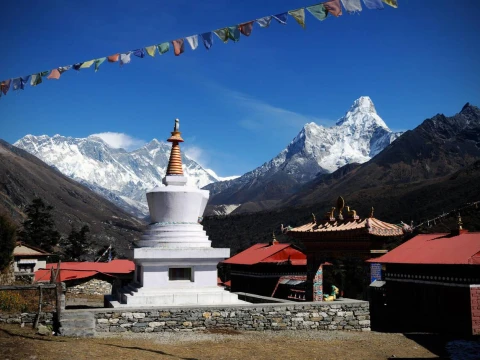
The Everest Short Trek is a carefully crafted Himalayan journey designed for travelers who want to experience the magic of Mount Everest within a limited timeframe, without compromising on scenery, culture, or comfort. Operated by Family Holidays Nepal, this trek follows the classic Everest region trail up to iconic destinations like Namche Bazaar, Hotel Everest View, and Tengboche Monastery, offering breathtaking panoramas of Everest, Lhotse, Ama Dablam, and other legendary peaks. Beginning with an adventurous flight from Kathmandu to Lukla, the trek gradually ascends through the Khumbu Valley, allowing proper acclimatization while showcasing dramatic landscapes, suspension bridges, and rhododendron forests.What makes this short trek special is its perfect balance between adventure and accessibility. You don’t need prior high-altitude trekking experience to enjoy it, as the itinerary is designed at a relaxed pace with well-planned stops. Along the way, trekkers stay in cozy teahouses, enjoy warm Nepali hospitality, and explore vibrant Sherpa settlements. Namche Bazaar, the gateway to Everest, offers a fascinating mix of traditional culture and modern amenities, while Tengboche is home to the region’s most famous monastery, set against a stunning Himalayan backdrop. Family Holidays Nepal ensures experienced local guides, safety-focused planning, and personalized service throughout the journey.Despite being shorter in duration, the Everest Short Trek delivers a deeply immersive Himalayan experience. From prayer flags fluttering in the mountain wind to early morning views of Everest glowing under the sunrise, every day feels rewarding. This trek is ideal for families, first-time trekkers, and travelers seeking a meaningful mountain adventure without extended physical strain.Scenic flight between Kathmandu and LuklaTrek through Sagarmatha National ParkAcclimatization and exploration in Namche BazaarPanoramic Everest views from Hotel Everest ViewVisit to Tengboche MonasteryCultural interaction with Sherpa communitiesFully guided trek by Family Holidays NepalMount EverestMount Everest, the highest peak in the world, stands majestically at 8,848.86 meters (29,031.7 feet) above sea level. Located in the Mahalangur Himal sub-range of the Himalayas, Everest straddles the border between Nepal and the Tibet Autonomous Region of China. Renowned for its breathtaking heights and challenging climbing conditions, Everest attracts adventurers and mountaineers from around the globe. Its towering summit has become a symbol of human endurance and ambition, with successful ascents being celebrated as monumental achievements in the realm of high-altitude mountaineering.The mountain was first summited in 1953 by Sir Edmund Hillary and Tenzing Norgay, a historic feat that opened the door to further exploration and expeditions. Mount Everest is not only a destination for climbers but also a major attraction for trekkers who seek to experience its grandeur from lower altitudes. The surrounding Everest region is home to Sherpa communities and numerous other peaks, making it a hub of both cultural and natural significance. The awe-inspiring landscape, including the Khumbu Icefall and the Lhotse Face, offers unparalleled views of the planet’s highest elevation and its majestic surroundings.Best Season to Everest Short TrekThe best seasons for undertaking the Everest Short Trek are spring (March to May) and autumn (September to November). During these periods, the weather is typically clear, with stable temperatures and minimal precipitation, providing ideal conditions for trekking. The spring season, particularly April and May, is renowned for its clear skies and vibrant mountain views, while autumn offers crisp air and equally stunning visibility.Winter (December to February) can be quite cold and challenging due to heavy snowfall and low temperatures, which may affect trail conditions and accessibility. Monsoon season (June to August) brings heavy rains, increasing the risk of landslides and creating muddy trails. Choosing to trek during the optimal seasons ensures a more comfortable and enjoyable experience, with better weather conditions and clearer views of the Everest region.Everest Short Trek DifficultyThe Everest Short Trek is considered moderate in terms of difficulty. While it does not involve the extreme challenges of a full Everest expedition, it still requires a reasonable level of physical fitness and endurance. Trekkers will experience varying terrain, including steep ascents and descents, which can be physically demanding. The trek typically reaches altitudes of around 3,000 to 4,000 meters (9,800 to 13,100 feet), which may cause some altitude-related symptoms, though less severe than on longer treks.Preparation is key to enjoying the trek. Trekkers should engage in regular cardiovascular and strength training prior to the journey, and acclimatization is crucial to minimize the effects of altitude. Family Holidays Nepal provides detailed pre-trek guidance and support to ensure that trekkers are well-prepared and can tackle the trek with confidence and safety.Accommodation & Food During Everest Short TrekAccommodation during the Everest Short Trek is typically provided in comfortable teahouses or lodges along the trail. These lodges offer basic amenities such as clean beds, communal dining areas, and often hot showers. The standard of accommodation can vary, but Family Holidays Nepal ensures that accommodations are selected for their comfort and reliability, providing a welcoming environment for trekkers.Food options during the trek include a variety of Nepalese and international dishes. Common meals include dal bhat (lentil soup with rice), momos (dumplings), and noodle dishes. Many teahouses offer menus with a range of options to suit different dietary preferences. Meals are generally hearty and nutritious, designed to provide the energy needed for trekking. Family Holidays Nepal ensures that food and accommodation arrangements meet high standards to enhance the trekking experience.Why Choose UsFamily Holidays Nepal stands out as an exceptional choice for those undertaking the Everest Short Trek due to our commitment to providing a personalized and unforgettable trekking experience. We offer expertly designed itineraries that cater to different levels of trekking experience and preferences, ensuring that each trekker can enjoy the Everest region to the fullest.Our experienced guides and support staff are well-versed in the nuances of trekking in the Himalayas, providing valuable insights and ensuring safety and comfort throughout the journey. We prioritize the well-being of our clients, offering comprehensive pre-trek preparation, high-quality accommodation, and delicious meals. With Family Holidays Nepal, trekkers can confidently explore the Everest region with the assurance of exceptional service, local expertise, and a focus on creating lasting memories.


 (2)
(2)  100% recommend (0)
 (0)
(0)