Trekking to Everest Base Camp is one of the most iconic and rewarding adventures in the world. With every step, trekkers are immersed in the breathtaking landscapes of the Himalayas, dotted with ancient monasteries, traditional Sherpa villages, and panoramic views of towering snow-capped peaks. Whether you're an experienced trekker or an adventurous first-timer, the journey to Everest Base Camp (EBC) is a blend of natural beauty, physical challenge, and deep cultural immersion.
At Family Holidays Nepal, we believe that trekking is not just about reaching a destination—it's about experiencing the heart of the Himalayas. Our carefully curated Everest Base Camp trekking packages are designed with safety, comfort, and cultural authenticity in mind. With seasoned guides, well-paced itineraries, and personalized support, we ensure your journey is both memorable and meaningful.
The Everest Base Camp trek is a bucket-list experience that captures the essence of Himalayan adventure. Set against the backdrop of the world's tallest mountain—Mount Everest (8,848 meters)—this trek draws thousands of outdoor enthusiasts each year who are eager to witness its grandeur up close. But beyond the spectacular views, the journey offers insight into the resilient spirit of the Sherpa people and the rich traditions of the Khumbu region.
At Family Holidays Nepal, we understand that embarking on a trek of this scale can be both exhilarating and overwhelming. That's why we provide comprehensive support every step of the way—from pre-trip preparation and gear advice to on-the-trail guidance and acclimatization strategies. Whether you're traveling solo, as a couple, or with family, our goal is to make your Everest Base Camp experience safe, enriching, and unforgettable.
Why Trek to Everest Base Camp?
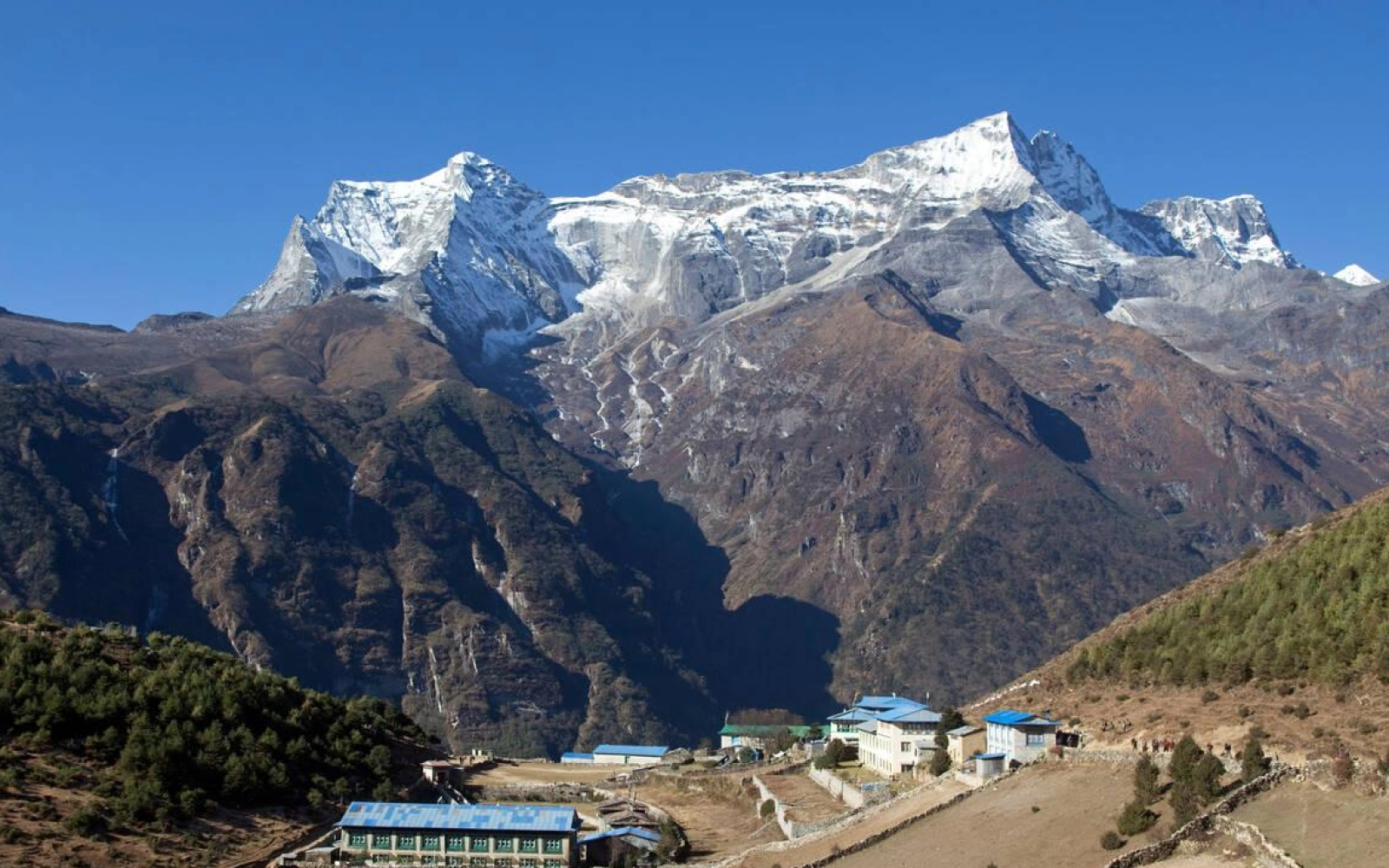
The allure of Everest lies not just in its staggering height, but in the profound sense of achievement that comes with reaching its base. Standing at 5,364 meters, Everest Base Camp is a destination that marks the starting point for climbers aiming for the summit, but for trekkers, it symbolizes a journey of personal triumph. The trail winds through lush rhododendron forests, high-altitude deserts, and glacial valleys, all while offering panoramic views of some of the most renowned peaks in the Himalayas—including Lhotse, Nuptse, Ama Dablam, and of course, Everest itself.
Trekking to Everest Base Camp is also a cultural journey. The Khumbu region is home to the Sherpa people, whose Buddhist faith and warm hospitality shape the entire experience. Along the way, trekkers can visit centuries-old monasteries like Tengboche, spin prayer wheels in Namche Bazaar, and learn about the spiritual practices that sustain life in this remote region. With Family Holidays Nepal, every trek is a chance to form a deeper connection with both nature and the communities who call the Himalayas home.
Overview of the Trekking Experience
The Everest Base Camp trek typically begins with a short but exhilarating flight from Kathmandu to Lukla, where the real adventure starts. From Lukla, the trail meanders through picturesque villages like Phakding, Namche Bazaar, and Dingboche, gradually ascending to higher elevations. Trekkers walk anywhere from 4 to 7 hours a day, allowing time for rest, acclimatization, and soaking in the views. Each day presents new highlights—whether it's crossing suspension bridges over roaring rivers or catching the first rays of sunrise over the Everest massif from Kala Patthar.
While the trek is physically demanding, it is accessible to those with a good level of fitness and a spirit of adventure. Family Holidays Nepal ensures proper acclimatization days and provides experienced guides who monitor your health throughout the journey. Lodging is in cozy teahouses offering basic but comfortable accommodations and hearty meals. With careful planning and the right support, the Everest Base Camp trek can be a life-changing experience—one where the journey is just as powerful as the destination.
The classic route to Everest Base Camp follows a well-established trail through the heart of the Khumbu region, offering a perfect blend of cultural exposure and alpine scenery. The journey typically begins with a thrilling flight from Kathmandu to Lukla, a high-altitude airstrip carved into the mountainside. From Lukla, trekkers gradually ascend through river valleys, pine forests, and high plateaus until they reach Everest Base Camp at 5,364 meters, before descending back to Lukla via a slightly different route. The itinerary is carefully paced to allow proper acclimatization and to maximize the overall experience.
Family Holidays Nepal offers a standard itinerary that spans 12 to 14 days, depending on the pace and acclimatization needs. Our route includes all the essential highlights—Namche Bazaar, Tengboche Monastery, Dingboche’s highland views, and the unforgettable sunrise from Kala Patthar. Each leg of the journey is thoughtfully planned to balance physical challenge with rest and recovery, making the experience suitable for adventurers with moderate to good fitness levels.
Common Starting Points: Lukla, Phakding, Namche
Most treks to Everest Base Camp start with a flight from Kathmandu (or Ramechhap, during peak seasons) to Lukla (2,860m)—a bustling gateway to the Khumbu region. Lukla marks the true beginning of the trek and offers a first glimpse of the mountainous terrain ahead. From here, the trail descends slightly to Phakding (2,610m), a quiet riverside village where trekkers spend their first night, allowing time for gentle acclimatization.
The next major stop is Namche Bazaar (3,440m), often considered the heart of the Sherpa capital. Reached after a steep but scenic climb, Namche is a vibrant town surrounded by stunning views and filled with lodges, cafes, and shops. It's also where many trekkers take their first acclimatization day, exploring local hikes like the Everest View Hotel or visiting the Sherpa Museum. The trek starts to feel more real here, as altitude begins to play a more noticeable role.
Typical Duration and Daily Distances
A standard Everest Base Camp trek takes around 12 to 14 days from Lukla to base camp and back, excluding international travel days. Most trekking days involve walking for 5 to 7 hours, covering between 8 to 15 kilometers per day, depending on terrain and elevation gain. The itinerary includes 2 acclimatization days, typically in Namche Bazaar and Dingboche, to help reduce the risk of altitude sickness and allow your body to adjust.
Family Holidays Nepal places a strong emphasis on a well-paced itinerary. While the distances may not seem vast, the altitude makes even shorter hikes physically demanding. Our guides monitor guests closely for any signs of Acute Mountain Sickness (AMS), and extra time is built into the itinerary to ensure a safe ascent. Flexibility is key, and our team is trained to adjust plans based on weather, trail conditions, and guest wellbeing.
Key Stops Along the Way
With Family Holidays Nepal, each stop along the trail is more than just a waypoint—it’s an opportunity to connect with the land, culture, and yourself.
Trekking to Everest Base Camp is a physically demanding adventure that requires both mental and physical preparation. While the trail doesn’t require technical climbing skills, the high altitude, variable terrain, and extended daily hikes can be challenging—especially for those not accustomed to long-distance trekking or hiking at elevation. Trekkers will ascend from about 2,800 meters in Lukla to over 5,500 meters at Kala Patthar, with many days spent above 4,000 meters. This gradual ascent makes fitness and acclimatization crucial for a successful and safe journey.
At Family Holidays Nepal, we emphasize responsible trekking and proper preparation. Our treks are paced to support gradual elevation gain and include rest days in key locations like Namche Bazaar and Dingboche. Understanding the physical demands of the trek and preparing your body in advance can make the journey significantly more enjoyable and reduce health risks associated with altitude.
Fitness Requirements
You don’t have to be a professional athlete to trek to Everest Base Camp, but a reasonable level of cardiovascular fitness and muscular endurance is essential. Trekkers should be comfortable walking 5 to 7 hours per day, sometimes on steep and uneven trails. Strength in the legs, a strong core, and good overall stamina are important, as the lower oxygen levels at higher altitudes make physical exertion more difficult. Training with a weighted backpack, hiking on hills or stairs, and regular aerobic activities such as running, swimming, or cycling can be very beneficial.
Family Holidays Nepal recommends beginning physical training at least 2–3 months before your trek. Walking long distances with a daypack, simulating back-to-back hiking days, and building lung capacity through interval training are especially effective. If you have any pre-existing health conditions, consult your doctor beforehand to ensure you are fit for high-altitude trekking. Remember, mental resilience also plays a huge role—staying positive and flexible helps when challenges arise.
Acclimatization and Altitude Sickness
One of the biggest challenges of the Everest Base Camp trek is altitude sickness, also known as Acute Mountain Sickness (AMS). As you ascend, oxygen levels decrease, and your body needs time to adjust. Common symptoms of mild AMS include headache, fatigue, loss of appetite, and disturbed sleep. More serious forms—such as HAPE (High Altitude Pulmonary Edema) or HACE (High Altitude Cerebral Edema)—can be life-threatening if not addressed quickly.
Our itineraries at Family Holidays Nepal are designed with built-in acclimatization days in Namche Bazaar and Dingboche to allow your body time to adapt. During these rest days, we recommend light hikes to higher elevations followed by a return to sleep at a lower altitude—an approach known as “climb high, sleep low.” Our trained guides monitor guests daily for signs of altitude sickness and are equipped to take appropriate action, including descent or evacuation, if necessary. Your safety is always our top priority.
Tips for Staying Healthy on the Trail
Maintaining your health on the Everest Base Camp trek is essential to completing the journey successfully. Hydration is key—you should aim to drink at least 3–4 liters of water per day to help your body acclimate. Avoid alcohol and caffeine at higher altitudes as they can contribute to dehydration and worsen altitude symptoms. Eating a balanced diet with plenty of carbohydrates, even if your appetite decreases, is also important to keep your energy levels up.
Other helpful tips include walking at a steady, comfortable pace and avoiding overexertion, especially in the early days of the trek. Dress in layers to adapt to rapidly changing weather, and make sure your gear—especially boots and clothing—is broken in and suited for cold temperatures. Practicing good hygiene, using water purification tablets, and sanitizing your hands regularly will help prevent stomach issues. With proper preparation, pacing, and support from our experienced guides, you can stay healthy and strong throughout your journey with Family Holidays Nepal.
Teahouses and Lodges: What to Expect
One of the most unique aspects of trekking to Everest Base Camp is staying in traditional teahouses—small, family-run lodges scattered along the trekking route. These teahouses offer a simple but cozy environment where trekkers can rest, eat, and connect with other travelers. Rooms are typically twin-share with basic bedding, and shared bathrooms with squat or Western-style toilets. Heating is usually limited to the dining area, so a warm sleeping bag is essential for cold nights, especially above 4,000 meters.
At Family Holidays Nepal, we select the most reliable and clean teahouses along the route, focusing on safety, hospitality, and comfort. While amenities may become more limited as you ascend, the warm welcome from the lodge owners and the camaraderie of fellow trekkers create a memorable experience. Wi-Fi, hot showers, and charging ports are available at some locations—usually for an extra fee—so it’s wise to carry cash and power banks for convenience.
Meals, Snacks, and Hydration Options
Teahouse menus are surprisingly varied, offering everything from traditional Dal Bhat (rice, lentils, and vegetables) to pasta, pancakes, momos (dumplings), and even pizza in larger villages. While meat is available on menus, we recommend sticking to vegetarian options above Namche Bazaar due to potential food safety concerns at high altitudes. Breakfasts usually include eggs, porridge, Tibetan bread, or chapati, while lunch and dinner offer hearty, carb-rich meals to replenish energy.
Hydration is vital at altitude, so trekkers should aim to drink at least 3 to 4 liters of water per day. Boiled water is available at most teahouses for a small fee, and we recommend using purification tablets or a water filter as a backup. Carrying energy bars, nuts, and rehydration salts is also a good idea, as snacks become more expensive with altitude. Family Holidays Nepal ensures that our guides help coordinate meals and provide guidance on what to eat and drink to stay healthy and energized throughout the journey.
Seasonal Weather Conditions
Weather plays a crucial role in the success and enjoyment of the Everest Base Camp trek. The Himalayas are known for their dramatic shifts in climate, with temperatures, visibility, and trail conditions changing quickly even within the same day. In general, spring (March to May) and autumn (late September to November) offer the most favorable trekking conditions—clear skies, stable weather, and stunning mountain views. During these seasons, temperatures at higher elevations can still drop below freezing at night, but daytime hikes are comfortable and dry.
Winter (December to February) brings heavy snow, icy trails, and extreme cold, especially above 4,000 meters. While the trek is still possible for experienced adventurers, it requires proper gear and a higher tolerance for cold. The monsoon season (June to early September) is generally discouraged for EBC trekking due to slippery trails, cloud cover, and frequent rainfall, although some lower-altitude treks remain viable during this time. At Family Holidays Nepal, we monitor weather patterns closely and advise our clients on the safest and most scenic times to go.
Recommended Trekking Months
The best months to trek to Everest Base Camp are March to May and October to November. In spring, rhododendrons bloom across the lower hills, and the skies are generally clear in the mornings, offering unobstructed views of the surrounding peaks. Temperatures are moderate during the day, and although nights can be chilly, it's a manageable and rewarding time to trek.
Autumn, especially October and early November, is the most popular season due to post-monsoon clarity and dry, crisp air. Visibility is excellent, and conditions are perfect for photography. Trekkers during these months enjoy bustling trails, open teahouses, and vibrant cultural activity—especially with festivals like Mani Rimdu taking place in the Khumbu region. At Family Holidays Nepal, we offer guided group treks and private departures during these peak seasons to ensure you get the most out of your Himalayan journey.
Essential Clothing and Gear
Packing smartly is crucial for a successful trek to Everest Base Camp. Since you’ll experience a wide range of temperatures—from warm, sunny days to freezing nights—you’ll need to dress in layers. A moisture-wicking base layer, a warm fleece or down jacket, and a windproof/waterproof outer shell are must-haves. Include both light and thermal trekking pants, as well as a hat, gloves, buff, and warm socks. A pair of broken-in, waterproof trekking boots is absolutely essential to handle rocky and sometimes snowy terrain.
Your gear should also include a comfortable backpack (30-40L) for daily use and a duffel bag (usually carried by porters) for your main belongings. Bring UV-protective sunglasses, trekking poles, a headlamp, and a reusable water bottle or hydration bladder. Sleeping bags rated for -10°C to -15°C are recommended, although most teahouses also provide blankets. Family Holidays Nepal provides a full pre-trek packing list to all trekkers and can help arrange gear rentals or purchases in Kathmandu if needed.
Health and Safety Items
To stay healthy on the trail, pack a well-stocked personal first aid kit. This should include pain relievers, band-aids, blister plasters, antiseptic cream, and altitude-related medications like Diamox (acetazolamide) if recommended by your doctor. Include water purification tablets or filters, electrolyte sachets, hand sanitizer, wet wipes, and high-SPF sunscreen. A small bottle of antibacterial soap can also be useful, as well as a few energy bars or trail snacks to keep your energy up.
Additionally, carry any personal medications, and consider packing a pulse oximeter to monitor oxygen saturation levels, especially above 3,500 meters. At Family Holidays Nepal, our guides carry a community first aid kit and are trained in high-altitude first response, but having your own essentials will help you stay more comfortable and prepared throughout the trek.
Guided vs. Independent Trekking
While it is possible to trek to Everest Base Camp independently, joining a guided trek offers considerable advantages, especially when it comes to safety, logistics, and cultural immersion. Guides handle everything from securing permits and booking accommodations to monitoring your health and helping with altitude acclimatization. They also offer deep insights into the region’s history, culture, and environment—turning the trek from a simple hike into a rich, educational experience.
Independent trekkers must navigate logistics on their own—arranging flights, finding lodging, and troubleshooting on the trail. With Family Holidays Nepal, everything is taken care of, allowing you to fully focus on the experience. Our certified, English-speaking guides are trained in mountain safety and first aid. During peak seasons, having a guide can also help you secure better teahouse rooms, especially when accommodations are scarce in high-altitude villages like Lobuche or Gorak Shep.
Hiring Porters and Local Guides
Hiring a porter can significantly enhance your trekking experience by reducing the physical strain. Porters typically carry up to 15-20 kg of your gear, allowing you to trek more comfortably with just a daypack. Supporting local porters also contributes directly to the community economy, helping families in the Everest region sustain themselves through tourism. It's a great way to enjoy the trek while practicing ethical and responsible travel.
At Family Holidays Nepal, we ensure all porters are well-compensated, properly equipped, and treated with respect. We follow Porter Welfare Guidelines and promote ethical trekking practices. Our trekking teams—consisting of guides, assistant guides, and porters—work together seamlessly to ensure your safety and comfort. Whether you're a solo traveler or part of a group, trekking with a guide and porter team allows you to experience the Everest Base Camp journey in a more relaxed, secure, and meaningful way.
TIMS Card and Sagarmatha National Park Permit
To trek to Everest Base Camp, every traveler must obtain certain official permits. The two primary documents required are the Sagarmatha National Park Entry Permit and the Khumbu Pasang Lhamu Rural Municipality Permit. Unlike other trekking regions in Nepal, a TIMS (Trekkers’ Information Management System) card is no longer required for the Everest region as of recent policy updates. Instead, the rural municipality permit functions as the local government’s tracking and fee system for trekkers entering the area.
The Sagarmatha National Park Permit costs NPR 3,000 (approx. USD 25) for foreigners, while the Khumbu Permit costs NPR 2,000 (approx. USD 17). These permits help fund conservation efforts, local infrastructure, and trail maintenance in the Khumbu region. Family Holidays Nepal handles all permit arrangements on your behalf as part of our trekking packages, ensuring you are compliant with all local regulations and that your trek goes smoothly through every checkpoint.
Entry Requirements and Checkpoints
Permits are checked at various entry and security checkpoints along the trail—particularly in Lukla, Monjo (entrance to Sagarmatha National Park), and Namche Bazaar. Trekkers are required to present their documents to continue onward, and those without valid permits may be fined or asked to return. It's essential to carry both permits with you at all times and keep them in a waterproof folder or zip-lock bag.
In addition to trekking permits, travelers entering Nepal must carry a valid passport with at least six months of validity and may need to obtain a Nepal tourist visa, which is available upon arrival at the Kathmandu airport or online in advance. Family Holidays Nepal provides clear guidance on visa processes and entry requirements before your trip to ensure a seamless arrival and trek start.
Respecting Sherpa Culture and Local Customs
The Everest region is home to the Sherpa people, an ethnic group with deep-rooted Buddhist traditions and a strong connection to the mountains. Respecting their customs, religion, and way of life is an essential part of being a responsible trekker. You’ll encounter many monasteries, chortens (stupas), mani walls (stone slabs inscribed with prayers), and prayer flags along the trail. Always walk to the left of these sacred structures, and avoid stepping over prayer stones or flags.
When interacting with locals, a respectful attitude goes a long way. Dress modestly, especially when visiting religious sites—long sleeves and trousers are preferred. Always ask for permission before taking someone’s photo. A simple “Namaste” with palms together is the traditional greeting and is always appreciated. Our guides at Family Holidays Nepal brief every group on local etiquette to ensure travelers interact with cultural sensitivity and respect.
Sustainable Trekking Practices
With more trekkers visiting Everest Base Camp every year, it's more important than ever to minimize our environmental impact. Stick to established trails to prevent erosion and avoid littering. Carry reusable water bottles and purification systems instead of buying plastic bottles, which are hard to dispose of in the mountains. Many teahouses offer safe drinking water for a small fee, and purified or boiled water is widely available.
We at Family Holidays Nepal promote Leave No Trace principles and partner with local communities to ensure our treks contribute positively to the region. This includes employing local guides and porters, supporting eco-conscious lodges, and encouraging clients to donate or pack out any non-biodegradable waste. By trekking responsibly, you help preserve the fragile beauty of the Himalayas for future generations and support the communities that make this journey possible.
What It’s Like to Arrive at Everest Base Camp
After days of trekking through valleys, forests, and alpine deserts, reaching Everest Base Camp (5,364 meters) is an emotional and unforgettable moment. The final stretch begins from Gorak Shep, the last settlement before base camp. Though the trail is not especially steep, it’s rocky, glacial, and affected by thin air, making it a slow and deliberate climb. When you finally spot the colorful prayer flags and the Everest Base Camp sign surrounded by trekkers, you know you’ve made it to one of the most iconic places on Earth.
There is no view of Mount Everest from base camp itself—what you’ll see is the Khumbu Icefall, an enormous, shifting wall of ice that marks the beginning of the route climbers take toward the summit. The experience is surreal. You’re standing where legendary mountaineers begin their ascent of the highest mountain in the world. At Family Holidays Nepal, we give trekkers ample time to soak in the experience, take photos, and reflect on the achievement before returning to Gorak Shep for the night.
What Comes After (Optional Extensions or Return Journey)
After reaching Everest Base Camp, most trekkers wake early the next morning for the hike up Kala Patthar (5,545 meters)—a high point offering the best panoramic views of Mount Everest and the surrounding Himalayan giants. Watching the sun rise over the tallest peak on Earth is often cited as the emotional and visual highlight of the trek. From there, the journey transitions into a descent, which is faster and more physically forgiving, as oxygen levels increase with each step down.
Trekkers typically retrace their steps through Pheriche, Namche, and Lukla, completing the round trip in about 3–4 days. However, for those seeking more adventure, Family Holidays Nepal offers optional trekking extensions such as Gokyo Lakes, the Three Passes Trek, or even helicopter returns to Kathmandu for a scenic aerial exit. Whether you end your journey on foot or in the air, completing the Everest Base Camp trek is a profound accomplishment that stays with you for life.
Final Thoughts and Encouragement
The Everest Base Camp trek is more than a physical journey—it’s a transformational experience that challenges, inspires, and uplifts. It’s a chance to disconnect from daily life, test your endurance, and immerse yourself in a world of natural beauty and cultural richness. Along the trail, you’ll form friendships, share laughter over warm tea, and marvel at the raw, unfiltered power of the Himalayas. The emotional satisfaction of standing at the base of Everest is something few experiences in life can match.
At Family Holidays Nepal, we’re not just guiding you to a destination—we’re helping you achieve a dream. Our team is committed to making your trek safe, comfortable, and meaningful, no matter your background or experience level. With the right preparation and mindset, this is a journey anyone with determination and respect for the mountains can complete.
Is the EBC Trek Right for You?
The Everest Base Camp trek is suitable for people of moderate to high fitness levels, who are prepared to embrace discomfort in exchange for one of the world’s most rewarding travel experiences. You don’t need climbing skills or prior high-altitude experience, but you do need a sense of adventure, patience, and commitment. If you’ve always dreamed of the Himalayas, are curious about Nepalese and Sherpa culture, and enjoy pushing your physical limits in nature—this trek is likely for you.
Family Holidays Nepal is here to support you every step of the way, from your first question to your final day on the trail. With careful preparation, experienced guidance, and a positive mindset, your journey to Everest Base Camp can be the adventure of a lifetime—one that leaves you stronger, more grounded, and forever connected to the majestic Himalayas.

Kathmandu Valley, nestled in the heart of Nepal, is a treasure trove of ancient culture, vibrant traditions, and architectural marvels. This enchanting valley is home to several UNESCO World Heritage Sites and offers a fascinating journey through time. Here’s a guide to some of the most captivating tourist destinations within the Kathmandu Valley.

Nepal is home to some of the world’s most stunning trekking routes, and not all of them require intense physical endurance or high-altitude experience. For first-time trekkers, the country offers a wide range of beginner-friendly trails that combine scenic beauty, cultural richness, and manageable terrain. Whether you're a solo traveler, a couple, a group of friends, or a family with kids, there are treks designed to suit your pace and comfort level.


 (2)
(2)  100% recommend (0)
 (0)
(0)