Nepal is home to some of the world’s most stunning trekking routes, and not all of them require intense physical endurance or high-altitude experience. For first-time trekkers, the country offers a wide range of beginner-friendly trails that combine scenic beauty, cultural richness, and manageable terrain. Whether you're a solo traveler, a couple, a group of friends, or a family with kids, there are treks designed to suit your pace and comfort level.
These beginner routes typically feature well-maintained paths, moderate elevations (often below 3,500 meters), and cozy tea houses for food and accommodation. The journeys are not just about reaching a destination but about soaking in panoramic Himalayan views, walking through lush forests and terraced fields, and experiencing authentic village life.
Some of the most popular beginner treks include:
At Family Holidays Nepal, we specialize in curating treks that are safe, fun, and enriching for beginners. Whether you're looking for a 2-day family adventure or a week-long cultural journey, our beginner treks are the perfect gateway into the Himalayas.
Nepal is a trekker's paradise, home to eight of the world's ten highest mountains and some of the most breathtaking natural landscapes on Earth. While it's often associated with challenging expeditions like Everest Base Camp or the Annapurna Circuit, Nepal also offers a variety of trekking routes that are perfect for beginners. These trails offer stunning mountain views, rich cultural experiences, and manageable trekking conditions that don’t require prior experience or extreme physical fitness.
At Family Holidays Nepal, we specialize in introducing first-time trekkers and families to the beauty of Nepal through well-organized, safe, and enjoyable trekking experiences. Our curated beginner-friendly trails allow you to experience the grandeur of the Himalayas without the risks or demands of high-altitude, long-distance trekking. Whether you're looking for a short nature walk or a multi-day adventure, Nepal has something for everyone.
Why Nepal is Ideal for Beginner Trekkers
Nepal offers an unparalleled combination of natural beauty, cultural richness, and accessible trekking infrastructure that makes it especially suitable for novice trekkers. With well-marked trails, cozy tea houses, and friendly local guides, even those with no prior hiking experience can confidently embark on a Himalayan adventure. The country’s diverse terrain ensures that you don’t have to climb to extreme altitudes to witness snow-capped peaks, lush forests, and traditional mountain villages.
Additionally, Nepalese hospitality plays a significant role in making treks more comfortable for beginners. Many routes pass through communities that have hosted trekkers for generations. The local guides and porters from Family Holidays Nepal are trained not only in safety and logistics but also in making first-time trekkers feel supported and informed throughout their journey. This makes Nepal a nurturing environment to begin your trekking journey and build confidence for more challenging adventures in the future.
What to Expect on Beginner-Friendly Trails
Beginner-friendly trekking trails in Nepal typically range from 3 to 7 days and avoid the higher elevations where altitude sickness becomes a concern. These trails are usually well-maintained and provide access to comfortable tea house accommodations, making the journey enjoyable and logistically simple. Expect daily hikes of 4 to 6 hours at a relaxed pace, with plenty of opportunities to rest, take in the views, and engage with the local culture.
The trails often pass through rhododendron forests, terraced fields, and charming villages, offering an intimate glimpse into the lives of Nepal’s diverse ethnic communities. With Family Holidays Nepal, beginner trekkers can expect well-paced itineraries, cultural immersion, and safety-first planning. We ensure that every detail, from meals to lodging and logistics, is taken care of, so you can fully immerse yourself in the awe-inspiring landscapes and welcoming spirit of Nepal.
Trail Difficulty and Terrain
A beginner-friendly trek in Nepal typically involves moderate walking on well-defined paths with manageable ascents and descents. These trails avoid technical climbing or overly steep sections, making them accessible even for those who have little to no prior trekking experience. The terrain is often varied but predictable—winding through terraced fields, gentle hills, and forested paths that offer scenic beauty without physical exhaustion.
At Family Holidays Nepal, we carefully select trails with even footing, clear signage, and limited risk of injury. Our beginner treks are designed to be enjoyable, not exhausting, ensuring that travelers of all ages—including children and older adults—can appreciate the journey at their own pace. These trails allow you to gradually build stamina and confidence while soaking in the natural splendor of the Himalayas.
Accessibility and Infrastructure
One of the most crucial aspects of a beginner-friendly trek is accessibility—both in terms of reaching the trailhead and having adequate facilities along the way. Beginner treks are often located near major towns or cities like Pokhara or Kathmandu, which makes transportation to and from the starting point convenient and relatively short. For instance, routes like Ghorepani Poon Hill or the Australian Camp trek begin just a few hours' drive from Pokhara, minimizing travel fatigue.
In addition to proximity, strong trekking infrastructure plays a big role in easing the experience. Trails with frequent tea houses, reliable accommodation, hygienic meals, and mobile connectivity make trekking comfortable and stress-free. With Family Holidays Nepal, our guests benefit from well-established partnerships with local lodges, experienced guides, and support teams that prioritize comfort, hygiene, and a warm welcome. These elements create a smooth, worry-free trekking experience, especially for first-timers.
Altitude, Duration, and Safety Considerations
For beginners, altitude is a major consideration. Trekking above 3,000 meters can increase the risk of altitude sickness, especially if you haven't acclimatized properly. Beginner-friendly treks typically stay below this threshold, reducing health risks while still offering spectacular Himalayan views. Destinations like Poon Hill (3,210m), Nagarkot (2,175m), or the Langtang Valley (starting around 1,400m) strike the perfect balance between scenery and safety.
Duration is another key factor. Beginner treks usually last between 3 to 7 days, with flexible itineraries and rest days built in. These shorter timeframes help avoid exhaustion and allow for better adaptation to new altitudes and environments. At Family Holidays Nepal, we design every itinerary with beginner needs in mind, including daily health check-ins, proper acclimatization, and expert guidance. Our guides are trained in first aid and altitude management, so you can explore with confidence, knowing that your safety is our top priority.
Overview of Trekking Seasons and Weather
Nepal’s unique geography and climate create distinct trekking seasons, each offering different experiences. The two main trekking seasons are autumn (September to November) and spring (March to May). These periods are favored due to stable weather, clear skies, and moderate temperatures, making trekking safer and more enjoyable.
Other seasons—winter (December to February) and monsoon (June to August)—are generally less recommended for beginners. Winter trails can be cold and icy, while the monsoon season often brings heavy rainfall, slippery trails, and increased risk of landslides, making trekking more challenging and potentially unsafe.
Recommended Months for First-Time Trekkers
For those new to trekking, March to May and late September to early December are hands-down the best times to plan a trip. These months provide a balance of clear weather, safe trails, and vibrant landscapes without the extreme cold of winter or the heavy rains of monsoon. During these periods, daytime temperatures at lower altitudes range between 15–25°C (59–77°F), making the trekking experience both enjoyable and manageable for people of all fitness levels.
At Family Holidays Nepal, we always recommend beginner trekkers to choose these ideal months, especially for popular routes like Ghorepani Poon Hill, the Australian Camp trek, or the Langtang Valley. Our guided treks during these seasons ensure not only better weather but also more availability at tea houses and smoother trail conditions. By trekking during the optimal months, first-timers can fully appreciate the beauty of Nepal’s mountains without unnecessary weather-related stress or discomfort.
Fitness Level & Physical Preparation
While beginner-friendly treks in Nepal are designed to be manageable, a reasonable level of fitness will greatly enhance your trekking experience. Trekking involves walking several hours a day on uneven terrain, so preparing your body with regular cardio exercises like walking, jogging, or cycling in the weeks leading up to your trip is highly recommended. Simple strength training and stretching routines can also improve your endurance and reduce the risk of injury on the trail.
At Family Holidays Nepal, we encourage all trekkers to assess their physical condition honestly and consult with their healthcare provider before embarking on a trek. Our itineraries are designed with flexibility in mind—allowing ample rest days and shorter walking durations—so you can build stamina gradually. With proper preparation, beginner trekkers can enjoy the journey comfortably and safely while fully appreciating the stunning Himalayan landscapes.
Acclimatization and Altitude Awareness
Altitude sickness is a concern even on beginner treks, especially if the route exceeds 2,500 meters. Understanding how your body reacts to higher elevations is key to staying healthy and safe. Symptoms like headache, dizziness, nausea, and fatigue can occur if you ascend too quickly without proper acclimatization. Beginner-friendly treks are carefully planned to allow gradual altitude gain and include rest days for your body to adjust.
Our expert guides at Family Holidays Nepal are trained to monitor your health throughout the trek and provide advice on proper acclimatization techniques. We also educate trekkers on recognizing early signs of altitude sickness and the importance of hydration, pacing, and adequate nutrition. Prioritizing altitude awareness ensures that your trekking experience is not only enjoyable but also safe.
Permits, Insurance, and Local Regulations
Before setting off on your trek, it’s important to arrange all necessary permits and documentation. Most trekking areas in Nepal require a TIMS (Trekkers’ Information Management System) card and a national park or conservation area permit, depending on your route. These permits help regulate trekking activity and contribute to the conservation of Nepal’s natural heritage.
Additionally, travel insurance that covers trekking-related incidents, including evacuation due to altitude sickness or injury, is highly recommended. At Family Holidays Nepal, we assist all our clients with the permit process and provide detailed guidance on insurance options and local regulations. Our commitment to compliance with government rules ensures that your trek is hassle-free and ethically responsible, supporting sustainable tourism and the welfare of local communities.
Ghorepani Poon Hill Trek
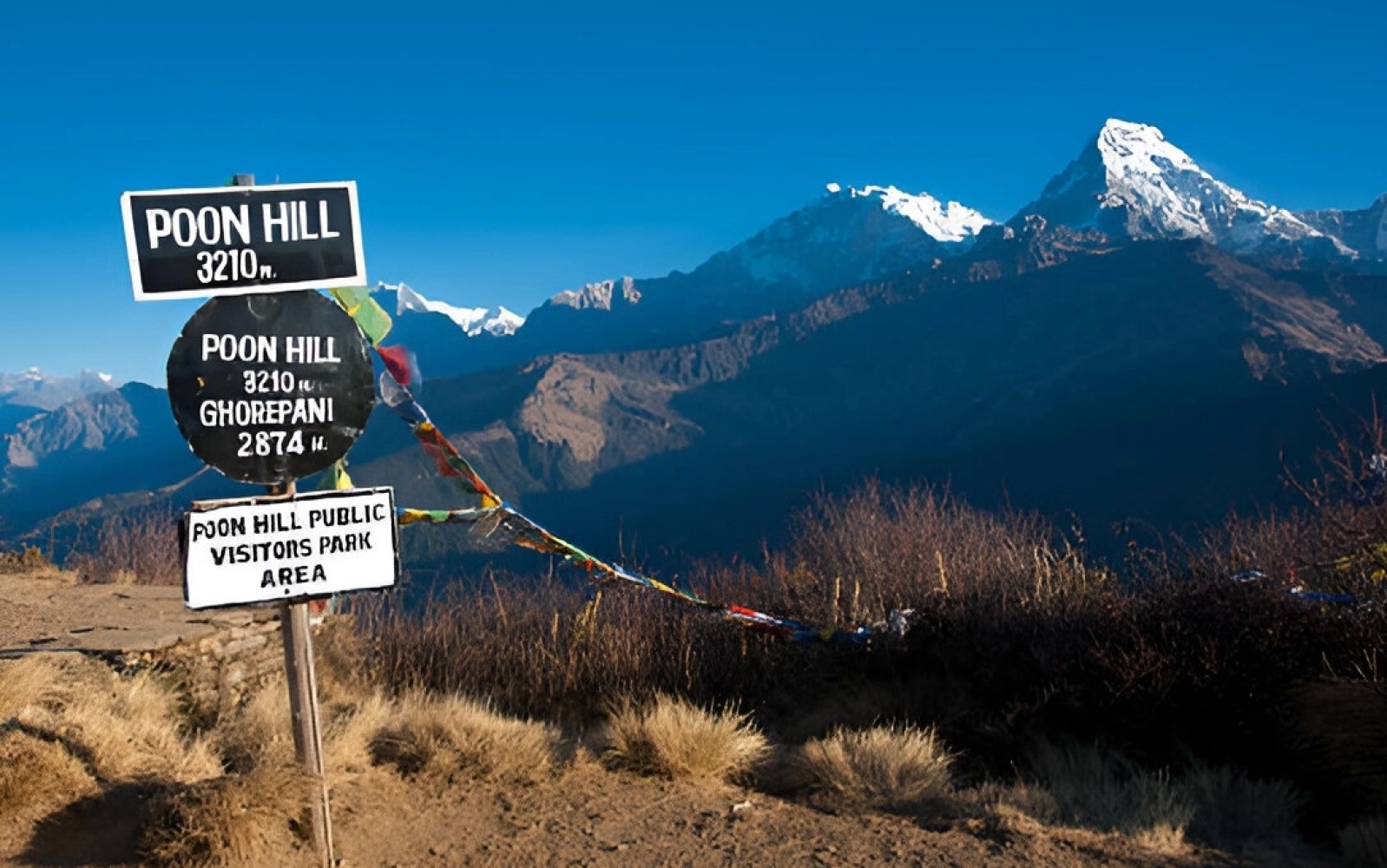
The Ghorepani Poon Hill trek is one of Nepal’s most popular beginner-friendly trekking routes, ideal for those seeking stunning panoramic views without the strain of a long or high-altitude journey. This trek usually takes about 4 to 6 days, starting from the lively city of Pokhara and passing through traditional Gurung and Magar villages, terraced rice fields, and rhododendron forests. The highlight is Poon Hill itself, which sits at 3,210 meters and offers a spectacular sunrise view over the Annapurna and Dhaulagiri mountain ranges.
What makes this trek especially suitable for beginners is the moderate elevation and relatively short daily trekking times. The trail is well-maintained and lined with comfortable tea houses, allowing trekkers to enjoy local hospitality and traditional Nepali cuisine. Family Holidays Nepal ensures a paced itinerary with ample acclimatization, making it accessible for all ages and fitness levels.
Langtang Valley Trek
Langtang Valley is a hidden gem close to Kathmandu, making it an excellent option for beginners who want a Himalayan experience without extensive travel time. The trek usually spans 5 to 7 days, leading you through the beautiful Langtang National Park with its lush forests, alpine meadows, and unique wildlife. You’ll pass through charming Tamang villages where you can immerse yourself in local culture and traditions.
At an altitude peak of around 3,500 meters in Kyanjin Gompa, this trek offers breathtaking mountain vistas without extreme altitude challenges. The trails are moderately easy, well-marked, and supported by tea houses that provide comfortable accommodations. Our experienced guides at Family Holidays Nepal accompany trekkers every step of the way, ensuring safety and enriching your cultural understanding of the Langtang region.
Everest Panorama (View) Trek / Everest Short Trek
The Everest Panorama or Short Everest Trek is an excellent introduction to the iconic Everest region without the intense physical demands of the full Everest Base Camp trek. This 6 to 8-day trek starts from Lukla and takes you to viewpoints like Namche Bazaar and Tengboche Monastery, where you can see spectacular views of Everest, Lhotse, and Ama Dablam.
This trek stays below 4,000 meters, making it suitable for beginners and those concerned about altitude sickness. The trail includes well-equipped tea houses, easy-to-navigate paths, and gradual elevation gain. Family Holidays Nepal offers customized itineraries with experienced Sherpa guides to ensure you enjoy the cultural richness and natural beauty of the Everest region safely and comfortably.
Australian Camp Trek
The Australian Camp trek is a lesser-known but fantastic beginner trail near Pokhara, perfect for travelers looking for serenity and panoramic mountain views. The trek typically takes 2 to 3 days and climbs gently through pine forests and terraced fields, ending at Australian Camp (around 1,800 meters), which offers spectacular sunrise views over the Annapurna and Dhaulagiri ranges.
This trek is ideal for families and first-timers due to its short duration and easy terrain. It provides a peaceful alternative to more crowded routes and includes charming local villages where trekkers can interact with friendly residents. With Family Holidays Nepal, you get a well-organized experience with comfortable lodging and personalized attention.
Dhampus Village Trek
The Dhampus Village trek is another great beginner option near Pokhara that blends natural beauty with cultural experiences. The trek usually lasts 3 to 4 days and involves walking through traditional Gurung villages, forests, and terraced farmland. Dhampus, situated at around 1,650 meters, offers stunning views of Annapurna South, Machapuchare (Fishtail), and the Annapurna massif.
This trek is perfect for beginners because of its gentle slopes, short daily walking distances, and abundant opportunities to experience Nepali village life firsthand. Family Holidays Nepal ensures your trek is leisurely paced with ample chances to rest, explore, and engage with locals in a safe and supportive environment.
Kalinchowk Tour and Hike
Kalinchowk is a relatively new but increasingly popular trekking destination in eastern Nepal. The trek is perfect for beginners looking for a short and scenic hike, with easy access by road from Kathmandu or Dolakha. At an altitude of approximately 3,842 meters, Kalinchowk offers spectacular views of the Himalayas, including Mt. Gaurishankar and Mt. Manaslu.
Unlike longer treks, the Kalinchowk hike is often done as a day or two-day excursion, making it an ideal choice for those with limited time or less trekking experience. The terrain is manageable, and the area is known for its peaceful atmosphere and rich cultural heritage, including the famous Kalinchowk Bhagwati Temple. Family Holidays Nepal offers guided trips with flexible itineraries tailored to beginner trekkers.
Nagarkot Trek / Hiking / Tour
Nagarkot is a popular hill station located just east of Kathmandu, renowned for its panoramic views of the Himalayas and the Kathmandu Valley. The Nagarkot trek is an easy and short hiking route suitable for beginners, families, and anyone wanting a quick Himalayan escape. Treks or tours around Nagarkot can range from a few hours to a couple of days.
The trails pass through forests, farmland, and small villages, culminating in breathtaking sunrise or sunset views over the snow-capped peaks, including Everest on clear days. The moderate altitude (around 2,200 meters) and well-maintained trails make it highly accessible. Family Holidays Nepal provides well-planned day hikes or multi-day tours in Nagarkot, ensuring comfort and cultural insights for novice trekkers.
Ghandruk Loop Trek
The Ghandruk Loop Trek is a short, beginner-friendly route that takes you through the beautiful Annapurna foothills and the traditional Gurung village of Ghandruk. Lasting around 4 to 5 days, this trek offers spectacular mountain views and an immersive cultural experience. Ghandruk village itself is a highlight, known for its rich history, traditional architecture, and local museums.
The trek involves moderate elevation gains, well-marked trails, and comfortable tea houses along the way. It’s suitable for families and first-time trekkers due to its accessibility and scenic diversity. Family Holidays Nepal provides experienced guides who enrich the trek with stories about local culture, flora, and fauna, making it a well-rounded introduction to Nepalese trekking.
Clothing and Gear Checklist
Packing the right clothing and gear is essential to ensure comfort, safety, and enjoyment on your trek. For beginner trekkers, layering is key: temperatures can vary widely from warm daytime sun to chilly mornings and evenings. Start with moisture-wicking base layers to keep sweat off your skin, add insulating mid-layers like fleece or down jackets, and finish with a waterproof and windproof outer shell. Comfortable, broken-in trekking boots with good ankle support are a must, along with moisture-wicking socks to prevent blisters.
Other essential gear includes a sturdy backpack (30-40 liters is usually sufficient), trekking poles to reduce joint strain, a sun hat, sunglasses with UV protection, and a reusable water bottle or hydration system. Don’t forget lightweight gloves and a warm hat for higher altitudes or cooler nights. At Family Holidays Nepal, we provide a detailed packing list tailored to your specific trek and season, ensuring you bring everything you need without overpacking.
Health, Safety, and Travel Essentials
Besides clothing, there are several health and safety items that every beginner trekker should carry. Basic first-aid supplies such as blister plasters, pain relievers, antiseptic wipes, and any personal medications are crucial. Altitude sickness medication can be recommended depending on the trek’s elevation profile, and our guides are always prepared with emergency oxygen and other essentials. Sunscreen and insect repellent are important to protect your skin from harsh mountain sun and insects.
Travel documents, trekking permits, and identification should be organized and kept in a secure waterproof pouch. It’s also wise to carry some cash, as many tea houses and small shops don’t accept cards. At Family Holidays Nepal, our team helps clients prepare all necessary permits and advises on travel insurance options that cover trekking-related risks. With proper packing and preparation, you’ll be well-equipped to enjoy a safe and memorable Himalayan adventure.
Pros and Cons of Solo vs. Guided Treks
Trekking independently offers flexibility and freedom—you can set your own pace, choose your own route, and immerse yourself in the solitude of the mountains. For experienced trekkers, this can be a rewarding challenge. However, for beginners, trekking solo in Nepal’s varied terrain can be daunting. Navigating unfamiliar trails, dealing with language barriers, and managing permits and accommodations add layers of complexity that might detract from the overall experience. There’s also the added risk of altitude sickness or injury without immediate professional support.
On the other hand, guided treks provide safety, local knowledge, and logistical convenience. Guides help with navigation, acclimatization advice, and cultural interpretation, enhancing your understanding of the region. They also coordinate accommodations, meals, and permits, allowing you to focus solely on the trekking experience. Family Holidays Nepal specializes in guided treks, ensuring beginners feel supported every step of the way while gaining insights into Nepal’s natural and cultural heritage. For first-timers, guided trekking generally leads to a safer, more enjoyable, and stress-free adventure.
Hiring Local Guides and Porters
Hiring local guides and porters not only enriches your trekking experience but also directly supports Nepal’s mountain communities. Local guides possess intimate knowledge of the trails, weather patterns, and cultural nuances, offering personalized insights that can turn a simple hike into a meaningful journey. Porters assist by carrying heavy loads, making the trek less physically demanding and more accessible, especially for families or those new to hiking.
At Family Holidays Nepal, we prioritize employing trained, licensed guides and porters who follow ethical working conditions and fair wages. Our guides are skilled in first aid, altitude sickness management, and emergency protocols, ensuring your safety on the trail. By trekking with local experts, you not only enhance your adventure but also contribute to sustainable tourism that benefits local livelihoods and preserves Nepal’s trekking heritage.
Respecting Local Customs and Traditions
Nepal’s trekking routes pass through diverse ethnic communities, including Gurung, Sherpa, Tamang, Magar, and many others—each with unique customs, languages, and traditions. As a responsible trekker, respecting these local cultures is essential to fostering goodwill and meaningful connections. Simple gestures like greeting locals with a smile or the traditional “Namaste” (a slight bow with palms pressed together) go a long way in showing respect.
When visiting villages, always ask permission before photographing people, dress modestly, and be mindful of religious sites such as monasteries and temples. Participating in local festivals or trying traditional foods can enrich your experience while supporting the local economy. At Family Holidays Nepal, our guides provide cultural briefings and help travelers navigate social norms to ensure interactions are respectful and authentic.
Practicing Eco-Friendly and Sustainable Trekking
The natural beauty of Nepal’s mountains is one of its greatest treasures, and preserving this environment is the responsibility of every trekker. Eco-friendly trekking means minimizing your impact by following “Leave No Trace” principles—carrying out all trash, avoiding single-use plastics, and sticking to marked trails to prevent soil erosion. Using reusable water bottles with filtration systems and supporting lodges that practice sustainability can further reduce your ecological footprint.
Sustainable trekking also means supporting local communities through responsible tourism—choosing local guides, porters, and accommodations that contribute fairly to the economy. Family Holidays Nepal is committed to environmentally responsible practices and educates trekkers on conservation efforts such as protecting wildlife habitats and respecting water resources. Together, we can ensure that Nepal’s majestic landscapes and vibrant cultures endure for generations of trekkers to come.
Trail Etiquette and Safety Tips
Respecting the trail and fellow trekkers is vital for a safe and pleasant experience. Always stay on marked paths to protect fragile ecosystems and avoid getting lost. When encountering other trekkers or locals, greet them politely and step aside to let faster trekkers pass. Avoid loud noises or littering, and carry a small bag for trash to keep the environment clean.
Safety is paramount, so be sure to listen carefully to your guide’s instructions and notify them immediately if you feel unwell or notice signs of altitude sickness. Trekking in groups and maintaining communication devices like a mobile phone or satellite phone can be lifesaving in emergencies. At Family Holidays Nepal, our guides prioritize your safety and teach essential trail etiquette to promote a respectful trekking environment.
Staying Healthy and Hydrated
Proper hydration is one of the simplest yet most important ways to stay healthy on the trail. Drink plenty of water throughout the day, even if you don’t feel thirsty, to prevent dehydration, which can worsen altitude sickness symptoms. Carry a water purification system or tablets to ensure your drinking water is safe.
Eating balanced meals rich in carbohydrates and proteins will keep your energy levels up. Avoid alcohol and excessive caffeine, which can dehydrate you. Rest well at night to allow your body to recover. Our team at Family Holidays Nepal provides guidance on nutrition and hydration tailored to your trek’s demands, helping you stay fit and energized.
Managing Expectations and Pacing
Trekking in the Himalayas is as much about the journey as it is about the destination. It’s important to manage your expectations and accept that the pace might be slower than you’re used to. Listen to your body—don’t rush, and take regular breaks to enjoy the scenery and connect with fellow trekkers.
Remember that weather, altitude, and trail conditions can impact your progress, so flexibility is key. At Family Holidays Nepal, we design itineraries with built-in acclimatization days and optional shorter hikes to accommodate different fitness levels. By pacing yourself and staying positive, you’ll have a rewarding and memorable trekking experience.
Final Thoughts and Encouragement
Embarking on your first trek in Nepal is an exciting adventure filled with breathtaking landscapes, rich cultural experiences, and personal growth. While the mountains may seem daunting at first, remember that many beginner-friendly trails offer accessible routes and supportive environments designed to build your confidence and enjoyment. With the right preparation, a positive mindset, and guidance from experienced professionals, trekking in Nepal can become one of the most rewarding journeys of your life.
At Family Holidays Nepal, we understand that every trekker is unique, and we are here to support you every step of the way—whether it’s your first trek or one of many. Embrace the experience, take your time to savor each moment, and know that the majestic Himalayas will welcome you with open arms.
Choosing Your First Trek with Confidence
Selecting the right trek for your first experience is key to a successful and enjoyable journey. Consider factors like trail difficulty, altitude, duration, and your personal fitness level. Our team at Family Holidays Nepal is dedicated to helping you find the perfect trek that matches your interests and abilities, providing expert advice and tailored itineraries to ensure safety and satisfaction.
With the right choice, professional support, and a spirit of adventure, your first trek in Nepal will be a stepping stone to many more incredible experiences. Trust in the process, prepare well, and set out with confidence—the mountains are ready to inspire you.
Your Trusted Partner for Safe, Enjoyable Trekking
At Family Holidays Nepal, we understand that your first trek in the Himalayas is more than just a vacation—it’s the beginning of a lifelong love for adventure. That’s why we specialize in beginner-friendly treks designed with comfort, safety, and cultural richness in mind. From the moment you arrive to your final farewell, our team is with you every step of the way, offering personal attention and genuine Nepali hospitality.
Our itineraries are carefully crafted to suit families, first-time trekkers, solo travelers, and small groups. With the perfect balance of activity and relaxation, cultural immersion and scenic beauty, we help you experience Nepal in a way that feels both adventurous and welcoming.
Local Expertise, Personalized Service
As a locally owned and operated company, Family Holidays Nepal offers unmatched insight into Nepal’s landscapes, traditions, and communities. Our licensed, experienced guides and friendly porters are trained not just in navigation and safety, but also in making you feel at home in the mountains. We take care of every detail—permits, transport, accommodations, meals—so you can focus on the journey.
We pride ourselves on small-group travel and customized trekking experiences. Whether you’re traveling with kids, seniors, or friends with different fitness levels, we adjust the pace and itinerary to suit your needs without compromising the experience.
Responsible, Sustainable Travel
We believe in travel that benefits both visitors and the local communities. That means supporting ethical hiring practices for our guides and porters, minimizing environmental impact on the trails, and working with local lodges and homestays to ensure your tourism dollars stay in the region.
When you trek with Family Holidays Nepal, you’re not just exploring the Himalayas—you’re helping preserve them for future generations.
Begin Your Himalayan Journey with Confidence
Whether you’re dreaming of your first sunrise over the Annapurnas or a gentle walk through a traditional village, Family Holidays Nepal is here to make your journey safe, meaningful, and unforgettable.
Contact us today to start planning your beginner trek in Nepal—with the people who know the trails best.


 (2)
(2)  100% recommend (0)
 (0)
(0)